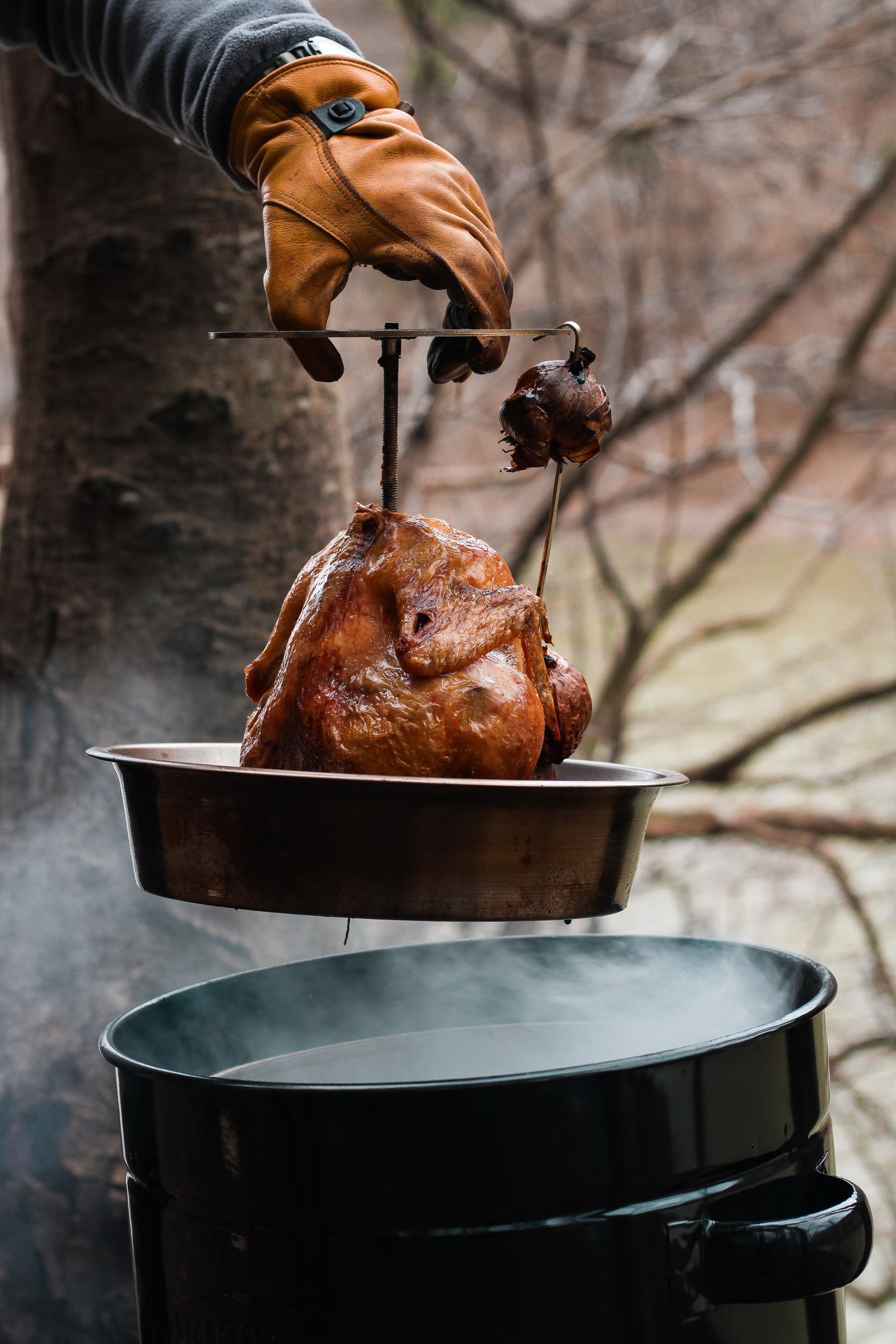
We love a chicken breast recipe that delivers tender meat, real smoky flavor, and a flavorful BBQ crust without turning the chicken dry. Chicken breast is lean, so it needs a little more attention than fattier cuts — but with the right preparation, smoker temperature, seasoning, and cooking technique, the offset smoker turns out consistently juicy results.
Here’s the key: don’t treat cooking time as the only measure of doneness. Chicken breasts vary in thickness, and every smoker behaves differently. Use your smoker temperature as a guide, and rely on an instant-read or leave-in thermometer to tell you when the chicken is ready.
Why Smoked Chicken Breast Is Worth Making
Chicken breast is one of the easiest cuts to find and one of the most versatile meats for BBQ. The catch? It’s lean, so it can dry out when exposed to excessive heat or left on the smoker for too long.
Smoking gives chicken a real edge: the meat picks up a layer of wood-fired flavor while cooking gently. Pair that with a simple brine or marinade and a balanced dry rub, and you get a far more flavorful result than ordinary grilled chicken breast.
An offset smoker is particularly useful here because it gives you control over the fire, airflow, smoke, and cooking temperature. If you’re still learning to manage an offset smoker, it’s worth understanding the basics of fire management before starting this recipe. You can also explore more smoker techniques and guides on Offset Smoker Proo.
Ingredients for This Chicken Breast Recipe
You don’t need a complicated ingredient list to make excellent smoked chicken breast. The goal is to build flavor without overpowering the chicken’s natural taste.
For about 4 boneless, skinless chicken breasts, use:
- 4 boneless, skinless chicken breasts
- 1–2 tablespoons olive oil
- 2 teaspoons paprika
- 1 teaspoon garlic powder
- 1 teaspoon onion powder
- 1 teaspoon black pepper
- 1 teaspoon kosher salt
- 1 teaspoon brown sugar
- ½ teaspoon chili powder
- ½ teaspoon dried thyme
- ¼ teaspoon cayenne pepper, optional
- BBQ sauce, optional
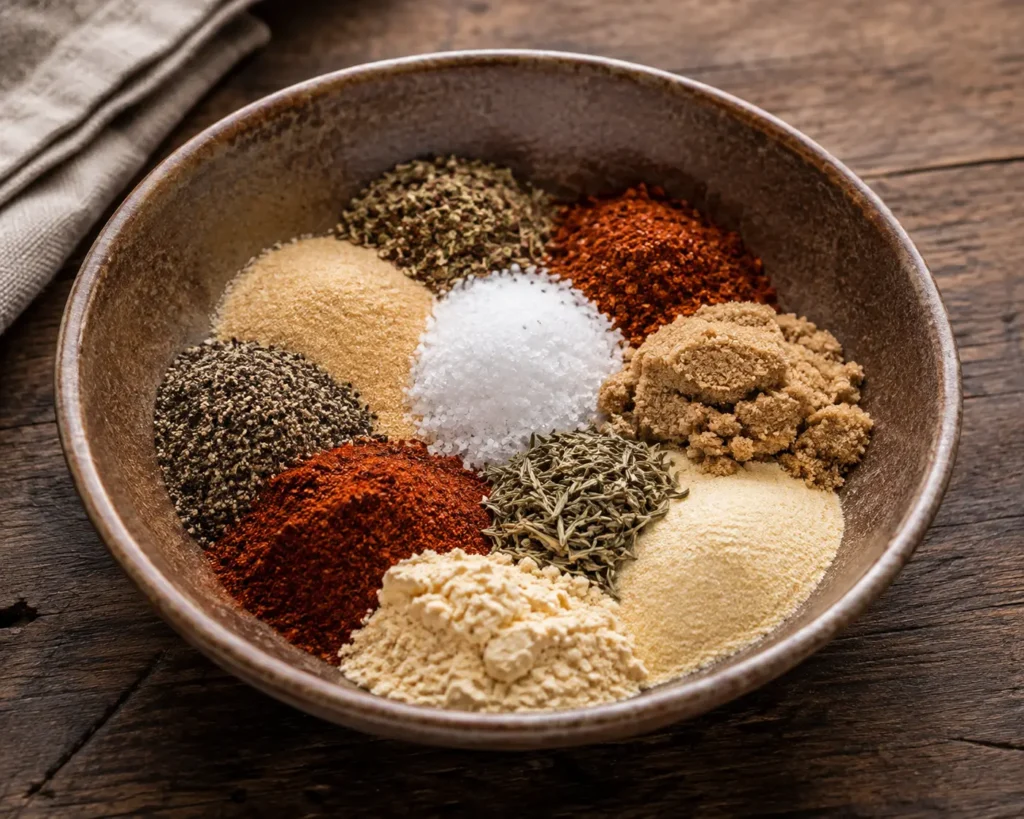
This blend builds a sweet, smoky, slightly savory crust. Want more heat? Bump up the cayenne — or leave it out for a milder, family-friendly version.
Should You Brine Chicken Breast Before Smoking?
Brining is optional, but it’s especially handy for chicken breast since the meat is lean. A simple brine seasons the chicken more deeply and helps it hold onto moisture in the smoker.
For a basic brine, combine water with salt and a small amount of sugar. Submerge the chicken and refrigerate it for about 30 minutes to 2 hours. Thicker breasts can benefit from a longer soak, but there’s no need to overcomplicate it.
After brining, pat the chicken thoroughly dry with paper towels. This matters — excess surface moisture gets in the way of the seasoning and a good exterior crust.
Skipping the brine? You can still make excellent smoked chicken breast. A good dry rub, a controlled smoker temperature, and careful temperature monitoring matter more than any one specific prep method.

How to Prepare Chicken Breast for the Smoker
Start by checking the chicken breasts for uneven thickness — some are very thick on one end and thin on the other. That’s a problem, because the thin section can overcook before the thick section reaches the right temperature.
If needed, gently pound the thickest parts so the breasts have a more even thickness. Don’t flatten them too much; you’re just evening things out.
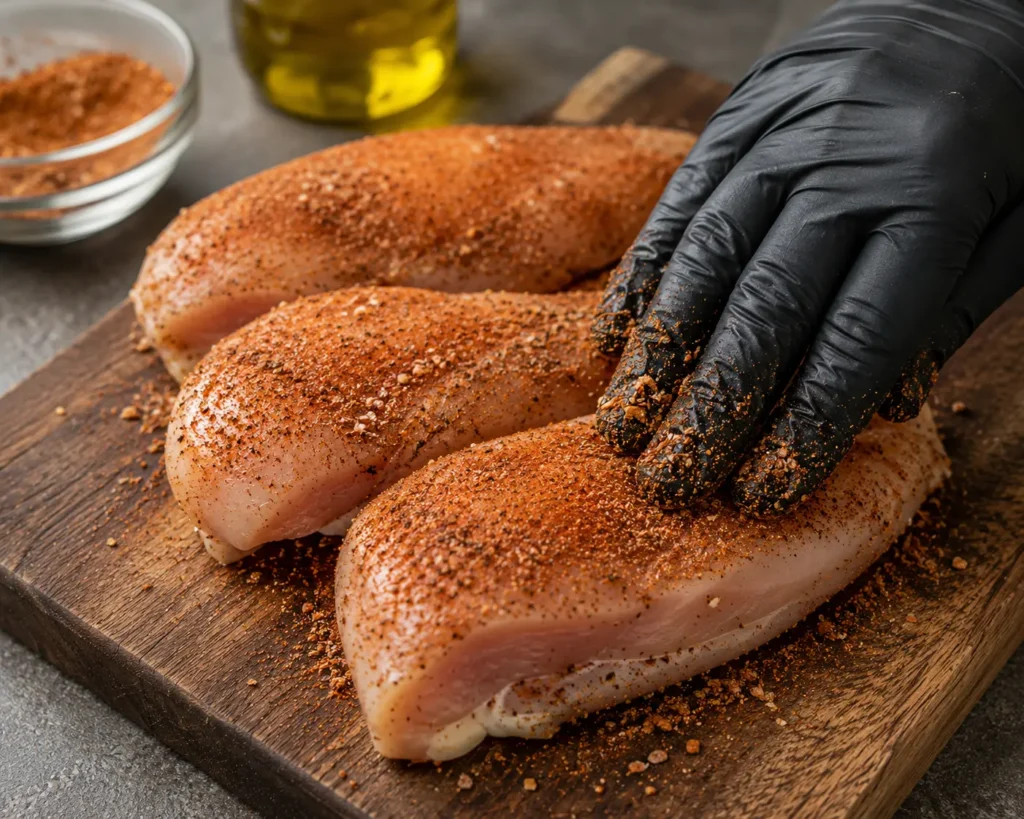
Pat the chicken dry, then lightly coat each breast with olive oil. The oil helps the seasoning stick and encourages better browning.
Mix the paprika, garlic powder, onion powder, black pepper, salt, brown sugar, chili powder, and thyme in a small bowl, then coat each breast evenly on all sides.
Let the seasoned chicken rest for around 15–20 minutes while you get the smoker ready.
How to Prepare an Offset Smoker for Chicken Breast
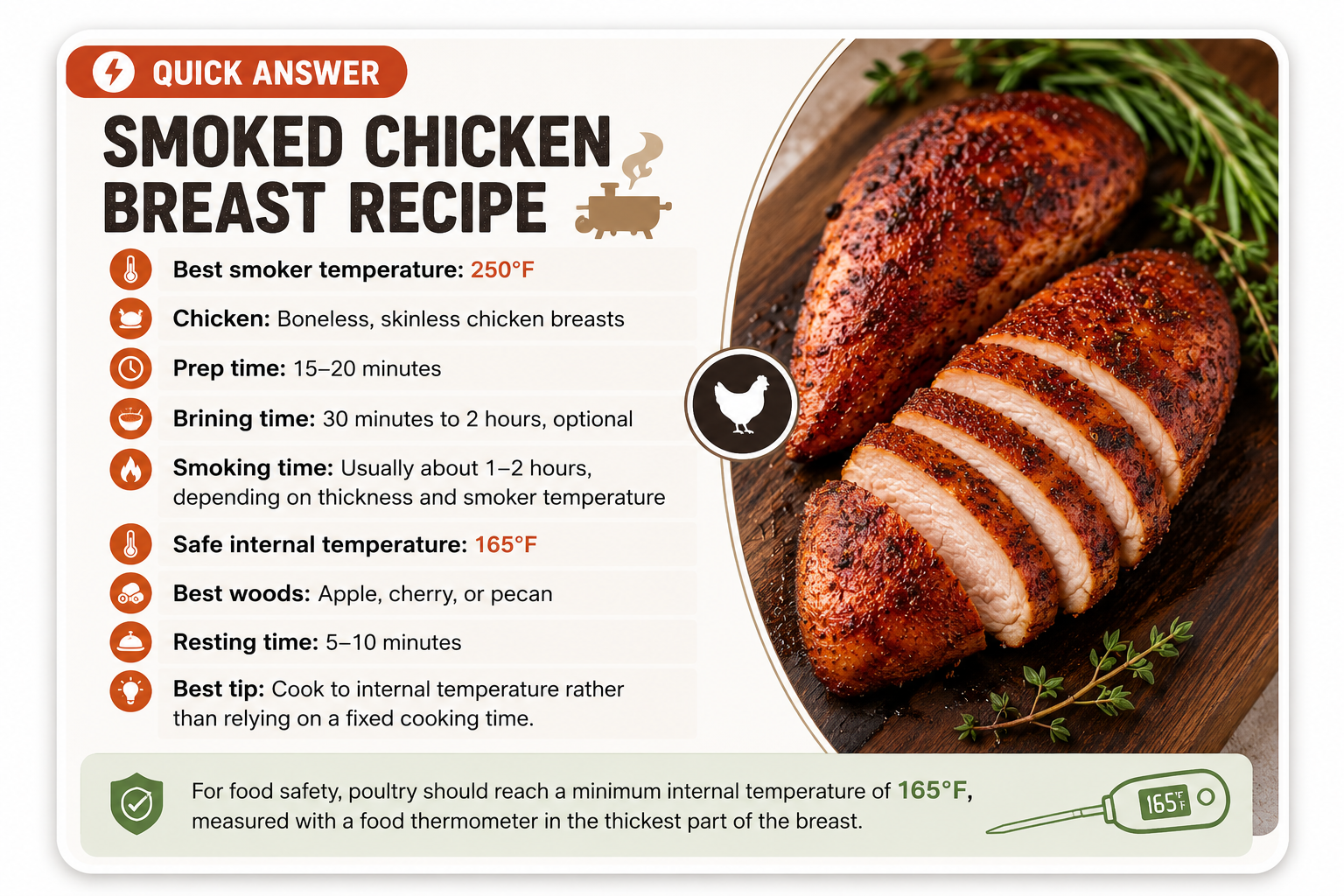
For this chicken breast recipe, aim for around 250°F inside the main cooking chamber.
If you’re using an offset smoker, get a clean-burning fire going before the chicken goes in. The goal isn’t maximum smoke — heavy white smoke can taste bitter, while clean, light smoke gives a far better result.
Build a small, controlled fire in the firebox and let the smoker settle in. Adjust the intake and exhaust vents gradually instead of making big changes all at once.
Wait until the cooking chamber holds a stable temperature before the chicken goes on the grate.
If your smoker runs noticeably hotter on the firebox side than the chimney side, use the cooler section for the chicken or rotate the pieces during the cook. Knowing your smoker’s hot spots is one of the most useful skills you can build with an offset smoker.
For more on how offset smokers work and how different smoker designs affect cooking, see this Offset Smoker vs. Kamado Grill comparison.
What Wood Is Best for Smoked Chicken Breast?
Chicken is much milder than beef brisket, so heavy smoke can easily overpower the meat. We recommend starting with a light hand on the wood — you can always add more, but you can’t undo bitter, oversmoked chicken.
Apple wood is one of the safest choices because it gives a mild, slightly sweet smoke that never overwhelms chicken. Cherry is another excellent pick, adding pleasant color and a touch of sweetness. Pecan brings a somewhat richer smoke flavor that still pairs well with poultry.
Once you understand how your smoker behaves, feel free to experiment with combinations of mild woods.
Moderation is the key here. You don’t need thick smoke pouring continuously from the chimney — a clean-burning fire with a controlled amount of smoke usually gives the best results.
How to Smoke Chicken Breast
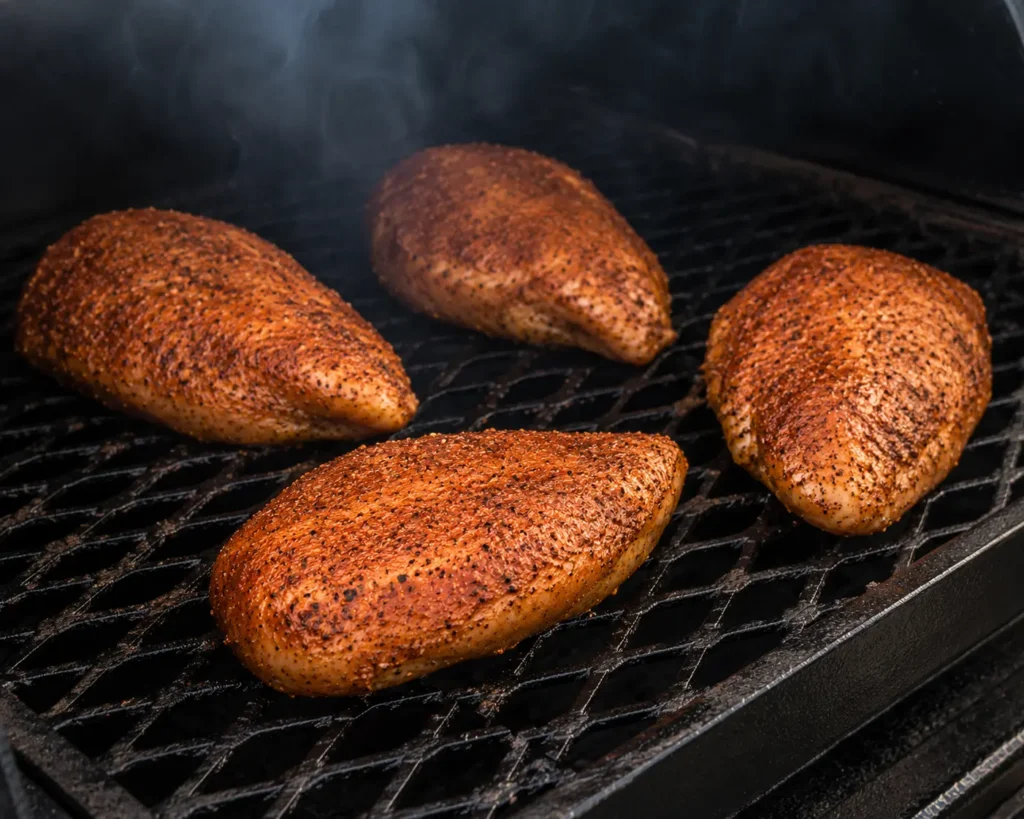
Once your smoker is holding steady at around 250°F, place the seasoned chicken breasts on the cooking grate, away from direct flames.
Keep the smoker closed as much as you can. Every time you open the cooking chamber, you lose heat and disturb the airflow, which stretches out the cook.
If you’re using a leave-in thermometer, insert the probe into the thickest part of the largest breast. Make sure the probe sits in the center of the meat, not too close to the surface.
Close the lid and let the smoker do its thing.
No single cooking time works for every chicken breast. Thickness, starting temperature, smoker design, airflow, weather, and fire management all affect how long the cook takes.
As a general guide, boneless chicken breasts may take roughly 1–2 hours at around 250°F, but let the thermometer — not the clock — decide when they’re done.
Other BBQ recipes call for temperatures anywhere from about 225°F to 350°F, which shows why cooking times vary so much from one method to another.
When Is Smoked Chicken Breast Done?
Read this part closely — it is the most important section of the entire recipe.
Chicken breast is done when the thickest part hits the safe internal temperature for poultry. The USDA FSIS puts that number at 165°F for all poultry, chicken breasts included.
Never judge doneness by the color of the meat or the color of the juices. Smoked poultry can sometimes have a pink appearance even after reaching a safe temperature — smoke and cooking reactions can shift the meat’s color.
Insert your thermometer into the thickest part of the breast. If you’re using bone-in chicken, keep the probe away from the bone.
Pull the chicken off the smoker as soon as it reaches 165°F.
Should You Add BBQ Sauce?
BBQ sauce is completely optional, but it adds another welcome layer of flavor.
If you’re using sauce, don’t lay on a thick coat too early. Sugary BBQ sauces can darken or burn when they spend too long over heat.
Instead, brush a thin layer over the chicken near the end of the cook. The USDA FSIS likewise recommends saucing during the final 15–30 minutes of smoking to keep the sugars from browning too much or burning.
You can also just serve the sauce on the side, so everyone controls how much sweetness and tang they get.
For a simple BBQ-style finish, brush the chicken with sauce once the exterior has good color, then keep cooking until the breast reaches the required internal temperature.
Why Does Smoked Chicken Breast Become Dry?
The biggest mistake people make with chicken breast is overcooking it.
Chicken breast is lean, so there is little internal fat to shield it from moisture loss. Leave the meat on the smoker well past doneness and you’ll get a firm, dry texture.
Another common mistake is running the smoker hotter than it needs to be, as if chicken were a big, fatty BBQ cut.
The fix is straightforward: keep the smoker under control, watch the internal temperature, and pull the chicken once it reaches a safe temperature.
A thermometer is far more reliable than slicing into the chicken to check it. Cutting the breast mid-cook lets juices escape and makes your temperature readings less accurate.
How to Keep Smoked Chicken Breast Juicy
Start by picking breasts with reasonably even thickness. Very thick breasts can be gently flattened so they cook more evenly.
A brine adds another layer of moisture and seasoning. If you brine, don’t forget to pat the chicken completely dry before applying the rub.
Skip excessively high temperatures unless you’re intentionally going hot and fast.
Most importantly, keep an eye on the internal temperature. A thermometer takes all the guesswork out of it.
Once the chicken comes off the smoker, let it rest for about 5–10 minutes before slicing. Resting gives the meat time to settle before you cut in.
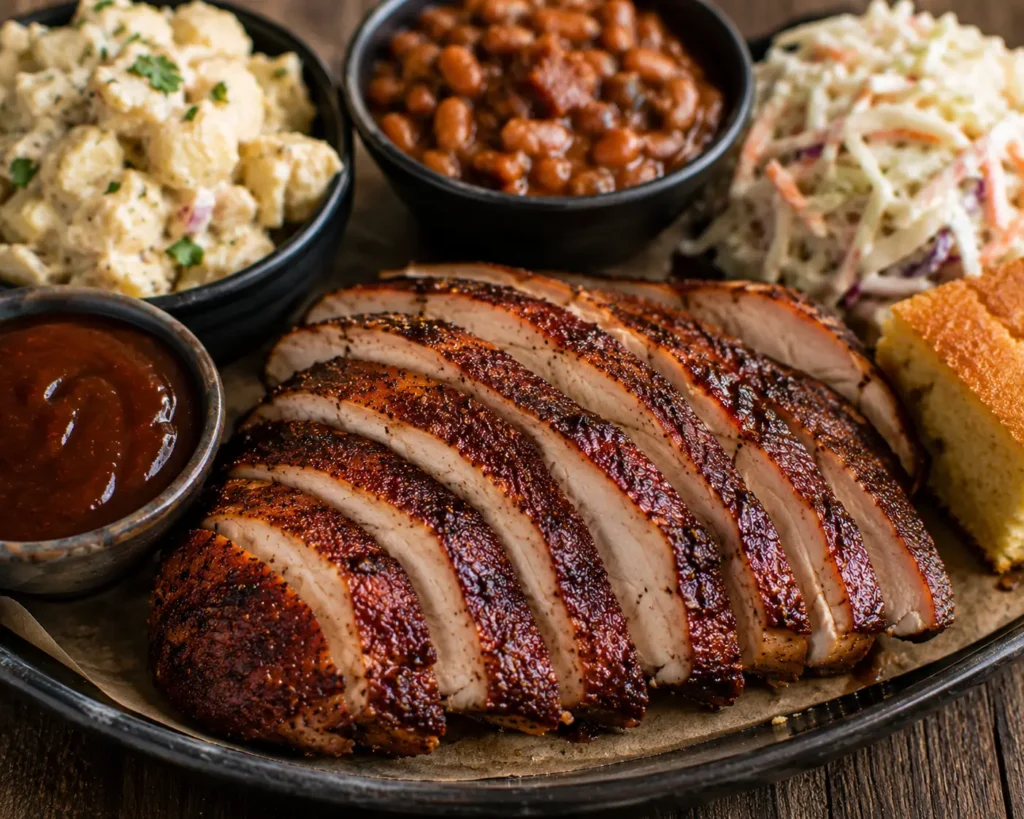
Then slice the chicken across the grain into even pieces.
Can You Make This Chicken Breast Recipe Without Brining?
Yes — brining helps, but it isn’t mandatory.
In a hurry? Just pat the chicken dry, coat it with olive oil, apply the dry rub, and place it straight into your preheated smoker.
What matters most stays the same: smoker temperature, clean smoke, even cooking, and internal temperature.
If your chicken breast keeps drying out, though, a short brine is worth testing. It’s one of the easiest variables to change when troubleshooting.
How to Serve Smoked Chicken Breast
One of the biggest strengths of this recipe is its versatility.
Serve the smoked chicken whole as the main protein alongside classic BBQ sides like:
- Coleslaw
- Corn on the cob
- Baked potatoes
- Mac and cheese
- Potato salad
- Grilled vegetables
- Baked beans
- Fresh salad
You can also slice it for sandwiches, wraps, tacos, salads, pasta, rice bowls, or meal-prep containers.
That’s what makes smoked chicken breast such a handy pick for a big batch. Many BBQ cooks also repurpose leftover smoked chicken for sandwiches, salads, meal prep, and more.
How to Store Leftover Smoked Chicken Breast
Got leftovers? Refrigerate them promptly instead of leaving cooked chicken out at room temperature.
The USDA FSIS recommends refrigerating meat and poultry within two hours of coming off the smoker.
Keep the chicken in an airtight container and use it within the recommended refrigerated storage period.
When you reheat leftovers, heat them thoroughly — the FSIS recommends bringing leftovers back up to 165°F.
Pro tip: for better texture, add a splash of BBQ sauce, broth, or another flavorful liquid before reheating. It helps keep leftover chicken breast from drying out.
Common Mistakes to Avoid When Smoking Chicken Breast
Cooking Without a Thermometer
Time is only a rough guide. Two chicken breasts of different thicknesses can finish at very different times.
Always go by internal temperature.
Using Too Much Smoke
More smoke doesn’t automatically mean more flavor. Heavy smoke can turn chicken bitter or harsh.
Keep it simple: clean smoke from a well-managed fire.
Running the Smoker Too Hot
High cooking temperatures can dry out lean chicken breast fast. If you want traditional low-and-slow smoked flavor, keep the chamber steady.
Opening the Smoker Too Often
Every lid opening shifts the temperature and airflow. Keep the chamber closed and monitor with a thermometer.
Applying BBQ Sauce Too Early
Sugary sauces darken fast. Apply them toward the end rather than coating the chicken from the start.
Cutting the Chicken Immediately
Let the chicken rest a few minutes before slicing. It makes serving easier and keeps the texture juicy.
Can You Smoke Frozen Chicken Breast?
For this recipe, start with properly thawed chicken — don’t put frozen chicken directly on the smoker.
The USDA FSIS recommends thawing in the refrigerator, in cold water, or in the microwave. Chicken thawed in cold water or the microwave should be cooked right away.
When you have time to plan your BBQ ahead, thawing in the refrigerator is the easiest option.
Can You Use Bone-In Chicken Breast?
Yes. Bone-in chicken breast smokes just as well, but expect the cooking time to vary with the extra weight, shape, and bone.
Stick with the same principles: season the chicken, hold a controlled smoker temperature, monitor the thickest part, and cook until the poultry reaches 165°F.
Don’t let a fixed cooking time be your only guide.
What Makes This the Best Chicken Breast Recipe for an Offset Smoker?
This recipe works because it’s about control, not complicated techniques.
The chicken gets a flavorful rub, the smoker gives clean wood smoke, and the temperature stays controlled. Instead of leaving the meat on for a set number of minutes, you watch the internal temperature and pull it when it hits the safe target.
That matters especially with offset smokers, since every smoker has its own airflow quirks and hot spots.
Once you learn how your smoker behaves, you can tweak the fire, vents, wood, and cooking position for more consistent results.
Final Tips for Perfect Smoked Chicken Breast
For the best results every time, keep it simple: choose evenly sized breasts, brine if you like, dry them well, apply a balanced BBQ rub, and let the smoker stabilize before the chicken goes on.
Stick with mild wood like apple, cherry, or pecan and don’t overdo the smoke. Hold the chamber around 250°F and track the chicken with a reliable thermometer.
Most important of all: cook poultry to a safe internal temperature of 165°F. Never trust color alone — smoked chicken can still look pink after it has reached a safe temperature.
When the chicken hits temperature, pull it off the smoker, rest it for a few minutes, slice against the grain, and serve it with your favorite BBQ sides.
Frequently Asked Questions
For this recipe, 250°F is a good balance between smoke exposure and cooking speed. Some recipes use lower or higher temperatures, so the final internal temperature matters more than following one exact smoker setting.
At around 250°F, boneless chicken breast commonly takes roughly 1–2 hours, but the actual time depends on thickness, starting temperature, smoker performance, and airflow. Always cook according to internal temperature rather than time.
Chicken breast should reach a minimum internal temperature of 165°F according to USDA FSIS. Measure the thickest portion with a food thermometer.
Apple and cherry are excellent mild choices for poultry. Pecan is another good option if you want a richer smoke profile.
No. Brining is optional, but it can help add seasoning and moisture to lean chicken breast. You can still make excellent smoked chicken using a dry rub and careful temperature control.
The most common reason is overcooking. Chicken breast is lean and loses moisture quickly when cooked beyond the point of doneness. Use a thermometer and remove the chicken once it reaches the safe internal temperature.
Yes. Smoked poultry can sometimes have a pink color even when safely cooked. Color is not a reliable safety test; use a food thermometer and verify that the chicken reaches 165°F.
Yes. Allowing the chicken to rest for around 5–10 minutes before slicing makes it easier to serve and can improve the eating texture.
Absolutely. Apply it during the final stage of cooking rather than too early, particularly if the sauce contains a lot of sugar. This helps reduce the chance of burning or excessive browning.
Coleslaw, baked beans, corn, potato salad, mac and cheese, grilled vegetables, and baked potatoes all work well. Leftover smoked chicken is also excellent in sandwiches, wraps, salads, tacos, and meal-prep bowls.