Choosing the right smoking wood can transform an ordinary barbecue into a deeply flavored meal. Hickory wood for offset smoker cooking is especially popular because it produces a bold, savory and slightly sweet smoke that works beautifully with pork, brisket, beef ribs and game meat.
Hickory is a dense hardwood that burns hot and forms a dependable coal bed. These qualities make it suitable for the steady fire required by an offset smoker. However, its smoke is stronger than smoke from fruitwoods, so controlling the quantity of wood and maintaining clean combustion are essential.
This guide explains how to select, prepare and burn hickory wood for offset smoker cooking. You will also learn which meats pair best with hickory, how to blend it with other woods and how to prevent heavy smoke from making your barbecue bitter.
What Is Hickory Wood?
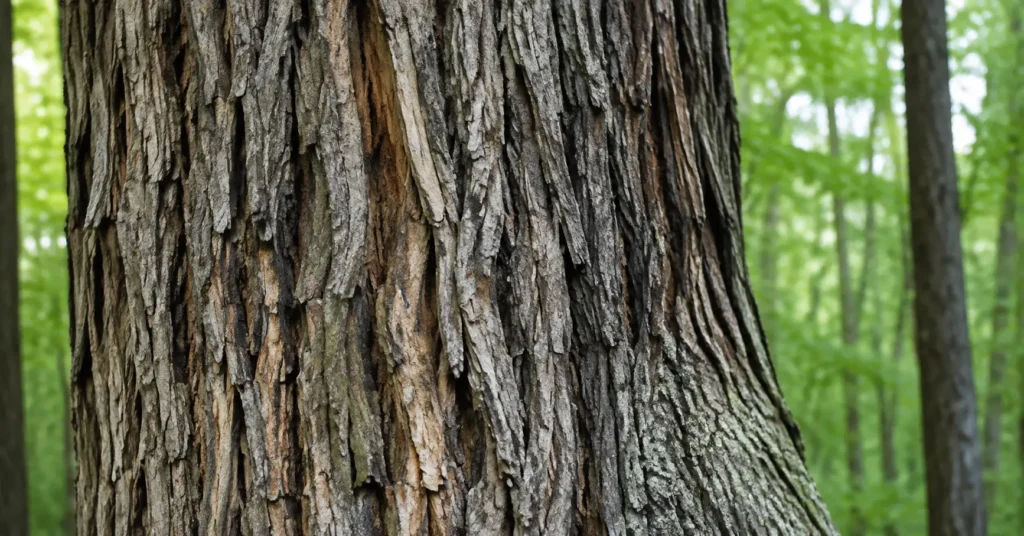
Hickory is a dense North American hardwood belonging to the Carya genus. Several hickory species are used as cooking fuel, including shagbark, shellbark and pignut hickory. Although their intensity can differ slightly, they generally create a strong, earthy and traditional barbecue flavor.
Because hickory is dense, it usually burns longer and produces stronger heat than lighter fruitwoods. That makes hickory wood for offset smoker fires useful during long cooks when a stable coal bed and consistent heat are required.
Only use clean, untreated hardwood intended for cooking. Never burn painted, stained, pressure-treated, mouldy or chemically contaminated lumber around food. Softwoods such as pine should also be avoided because their resin can create unpleasant smoke. Penn State Extension similarly recommends hardwoods—including hickory, maple, oak and apple—for smoking meat safely.
Why Use Hickory Wood for Smoking?
Hickory produces one of the strongest flavors among commonly used barbecue woods. Its rich smoke can add a savory, bacon-like character and help develop a dark, attractive bark on large cuts.
The main benefits include:
- Bold barbecue flavor: Particularly suitable for pork and beef.
- Long burning time: Dense splits provide dependable fuel for extended cooks.
- Strong heat output: Properly seasoned hickory creates a stable coal bed.
- Wide availability: It is commonly sold as logs, splits, chunks and chips.
- Blending versatility: It pairs well with oak, apple, cherry and pecan.
Pitmasters who want a pronounced smoke profile often choose hickory wood for offset smoker cooking. Beginners should start with a small quantity because adding more smoke is easier than correcting meat that has become bitter.
How Hickory Smoke Flavors Meat
Wood contains cellulose, hemicellulose and lignin. During clean combustion, heat breaks these components down and releases aromatic compounds that influence color, aroma and flavor. Smoke moving through the cooking chamber settles on the damp outer surface of the meat and contributes to bark development.
Clean combustion matters more than producing a large visible cloud. A small, hot fire with sufficient oxygen generally creates lighter, cleaner smoke. A smouldering fire can produce soot and creosote-like deposits that leave an acrid aftertaste.
For this reason, successful use of hickory wood for offset smoker cooking depends on airflow, wood moisture and fire size—not merely the amount of wood placed inside the firebox.
Forms of Hickory Wood
Hickory is available in several forms, but not every option performs equally well in a traditional offset smoker.
Hickory Wood Chips
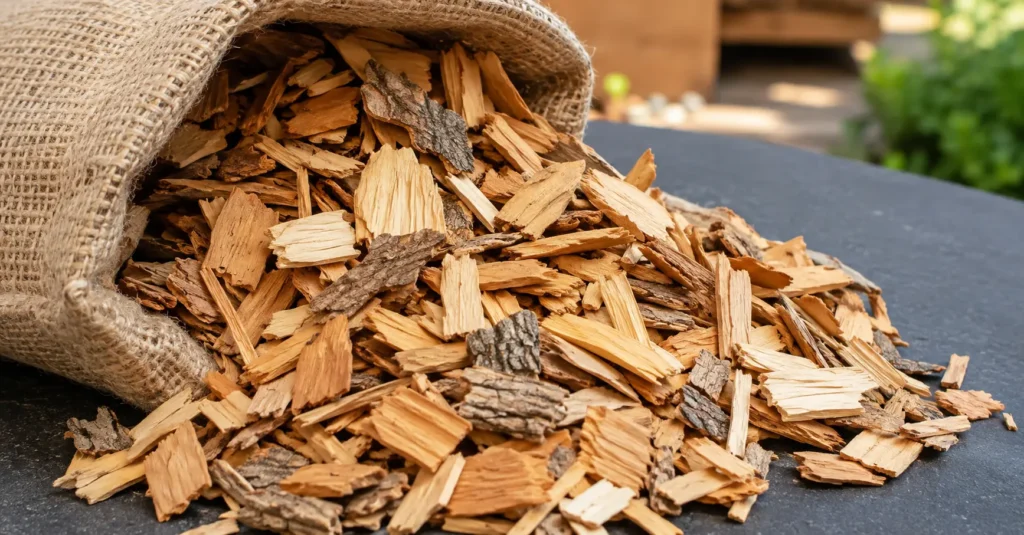
Chips ignite and burn quickly. They can be useful for short cooks or compact charcoal smokers, but they require frequent replacement. They are generally too small to serve as the main fuel in a large offset smoker.
Hickory Wood Chunks
Chunks burn longer than chips and work well when charcoal provides most of the heat. Place one or two chunks on a fully lit coal bed and add more only when the previous pieces have nearly burned down.
Hickory Wood Splits
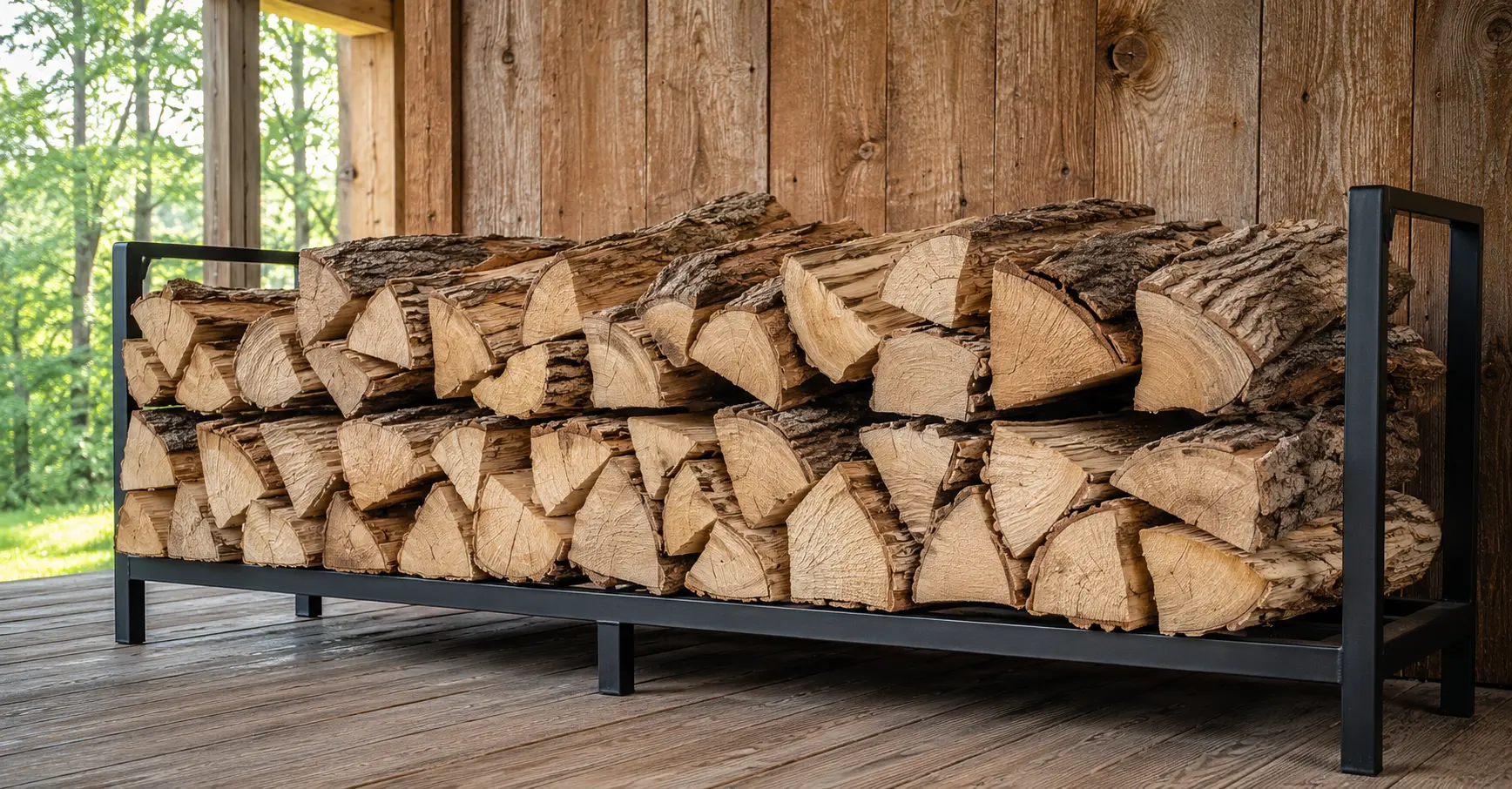
Wood splits are usually the best form of hickory wood for offset smoker cooking. Their manageable size allows them to ignite quickly while providing enough heat for a steady fire. The ideal dimensions depend on the size and airflow characteristics of your firebox.
Hickory Logs
Large logs can burn for a long time, but they may smoulder if the fire is not hot enough. Split full logs into smaller pieces so every addition ignites quickly and does not produce a long burst of dirty smoke.
Selecting the Best Hickory Wood
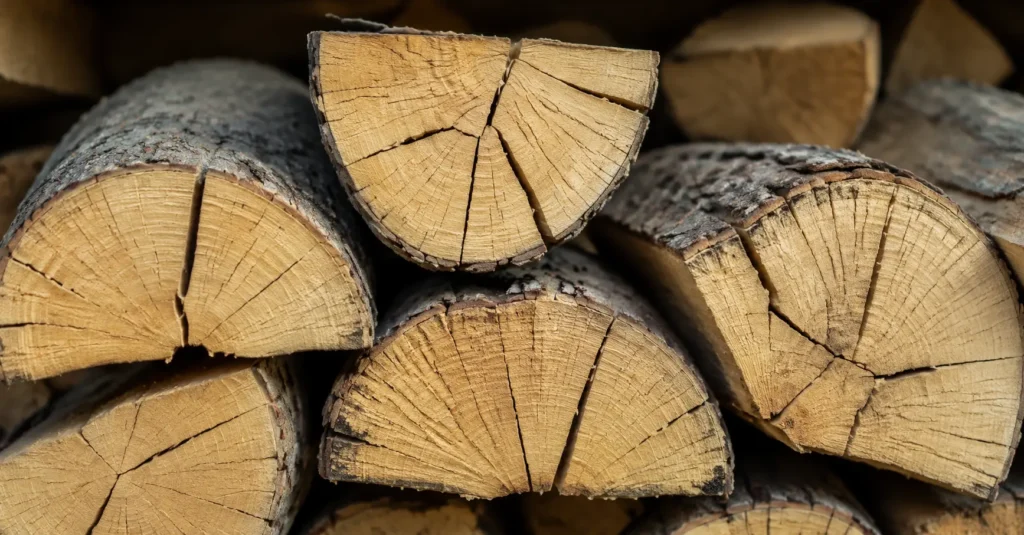
Choose clean, properly seasoned hickory with no visible mould, rot, chemicals or unusual odors. Seasoned wood normally feels lighter than freshly cut wood, shows small cracks across the ends and makes a clearer sound when two pieces are struck together.
Drying time alone does not guarantee that the wood is ready because log size, airflow, humidity and storage conditions all affect seasoning. A moisture meter provides a more reliable measurement. Many pitmasters prefer smoking splits with an internal moisture content of approximately 15% to 20%.
Purchase wood locally when possible. Transporting firewood over long distances can spread destructive insects and tree diseases. Your local agricultural or forestry authority may impose restrictions on moving untreated firewood.
Good hickory wood for offset smoker fuel should be:
- Properly seasoned
- Clean and untreated
- Free from mould and rot
- Split to fit the firebox
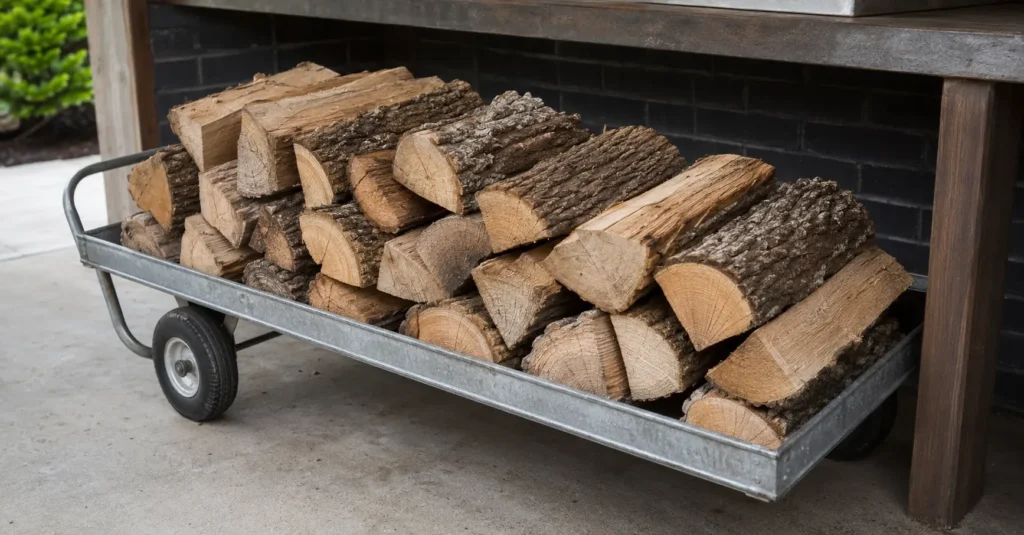
- Stored above wet ground
- Protected from rain but exposed to airflow
For a broader comparison of hickory, oak, fruitwoods and other fuels, read our guide to the best wood for an offset smoker.
How to Prepare Hickory Wood for Smoking
Split large pieces into uniform sizes that can catch fire without cooling the coal bed. Smaller splits give you finer control, while excessively large logs can create major temperature swings.
Do not soak hickory splits, chunks or chips. Wet wood must release moisture before it burns efficiently, which delays ignition and encourages heavy white smoke. Use dry wood and control the smoke through fuel quantity and airflow.
You can place the next split near or on top of the firebox to warm it before use, provided this can be done safely. A preheated split usually ignites faster and causes a shorter interruption to clean combustion.
When preparing hickory wood for offset smoker use, keep enough splits beside the cooker for the entire session. Opening your main wood store repeatedly during rain or cold weather may expose the remaining supply to moisture.
How to Use Hickory Wood in an Offset Smoker
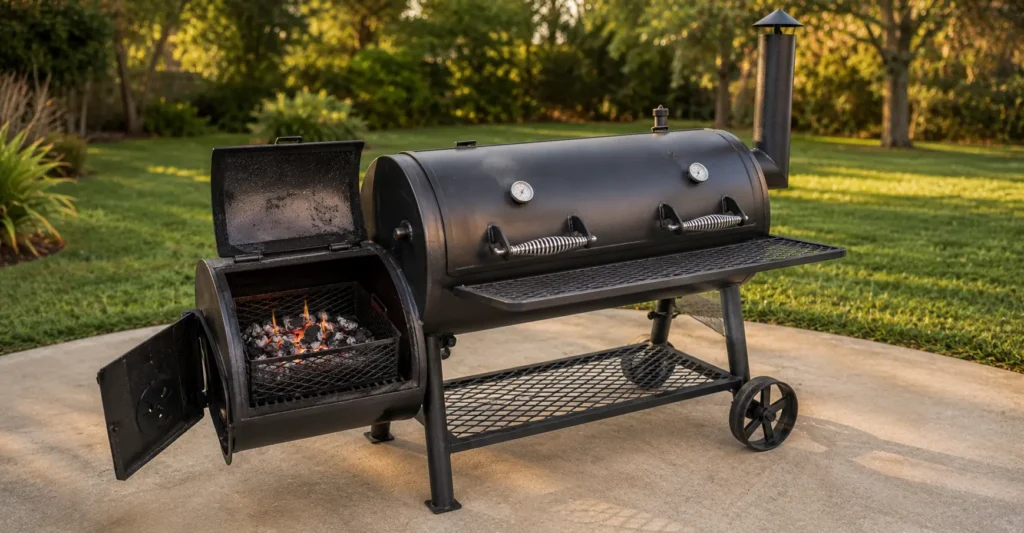
Begin with a fully lit bed of lump charcoal or briquettes. Keep the exhaust open and allow the smoker to preheat until the metal is warm and the temperature has stabilized. Add one small hickory split and wait for it to ignite with a visible flame.
Follow this basic process:
- Light a charcoal chimney and allow the fuel to become fully established.
- Transfer the hot coals into the firebox.
- Open the chimney exhaust and establish strong airflow.
- Add one dry hickory split to the coal bed.
- Wait for the thick startup smoke to clear.
- Place the meat in the cooking chamber.
- Add another small split before the temperature drops significantly.
- Make small airflow adjustments and monitor the grate-level temperature.
The exact time between additions depends on your smoker, fuel size and weather. Rather than following a rigid schedule, watch the fire, temperature and smoke quality. Our offset smoker fire management tips explain how to maintain a clean fire throughout a long cook.
How Much Hickory Wood Should You Use?
There is no universal number of splits because offset smokers vary considerably in steel thickness, firebox size, airflow and efficiency. Start with a charcoal bed and one small hickory split. Add another piece only when the existing split has mostly converted into glowing coals and the cooking temperature begins to decline.
When using hickory wood for offset smoker cooking for the first time, use less wood than you think you need. Smoke should complement the meat instead of masking its seasoning and natural flavor.
You can also use oak as the main fuel and add occasional hickory splits for flavor. This method offers gentler smoke while retaining hickory’s recognizable character.
Best Meats to Smoke With Hickory
Pork
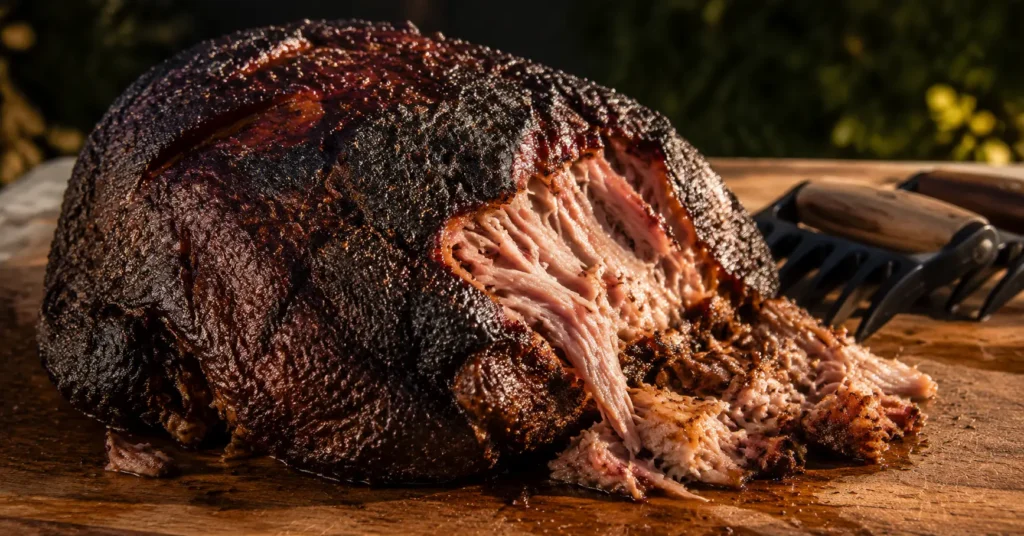
Hickory is a classic choice for pork shoulder, spare ribs, baby back ribs, ham and tenderloin. Its strong smoke balances the richness and sweetness of pork particularly well. Try it while following our guide on how to smoke ribs in an offset smoker.
Beef
Brisket, chuck roast and beef ribs can handle hickory’s robust flavor. For very long cooks, mixing hickory with oak can prevent the smoke profile from becoming too aggressive.
Game Meat
Venison, elk and other strongly flavored meats often pair well with hickory. The wood’s earthy character complements these meats without disappearing behind their natural flavor.
Poultry
Chicken and turkey can be smoked with hickory, but moderation is essential. Use a small amount or blend it with apple, cherry or pecan to create a lighter profile.
Fish
Hickory can easily overpower delicate fish. If you want to experiment, use a very small amount blended with alder, maple or a mild fruitwood.
Best Hickory Wood Blends
Blending hickory wood for offset smoker cooking with another hardwood allows you to adjust smoke intensity without losing its traditional barbecue character.
| Wood blend | Flavor profile | Best meats |
| Hickory and oak | Strong but balanced | Brisket, beef ribs and pork shoulder |
| Hickory and apple | Bold with mild sweetness | Pork ribs, chicken and turkey |
| Hickory and cherry | Rich with a fruity finish | Pork, ham and poultry |
| Hickory and pecan | Nutty and slightly milder | Pork, beef and game |
| Hickory and maple | Savory with gentle sweetness | Poultry and pork loin |
Start with approximately one part hickory to two parts milder wood. Adjust the ratio during later cooks according to your preferred smoke intensity.
Controlling Smoke and Airflow
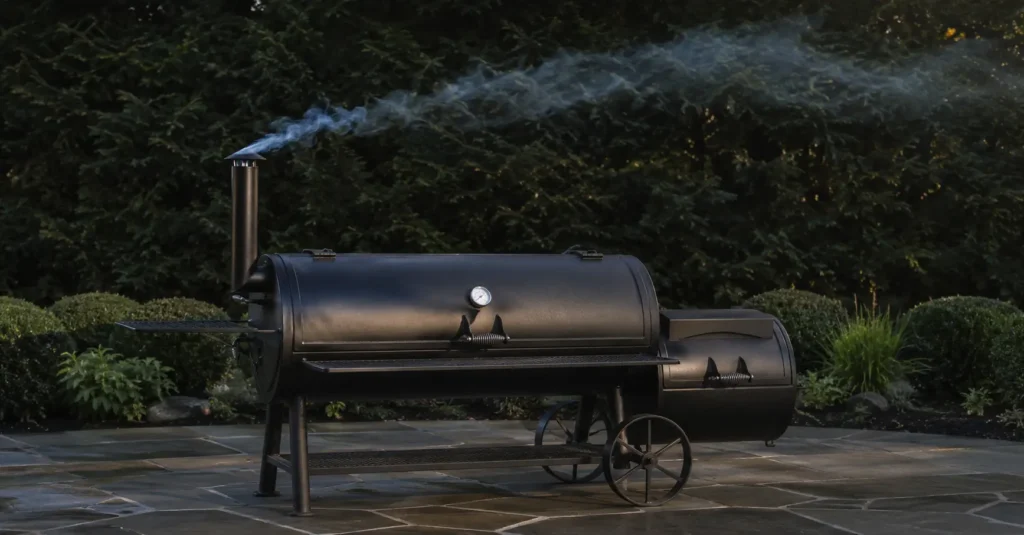
Keep the chimney exhaust fully open during cooking so smoke can move continuously through the chamber. Control the fire primarily through fuel size and the firebox intake. Closing the exhaust excessively can trap stale smoke and encourage incomplete combustion.
Ideal smoke is thin, light blue or almost invisible. Thick white or grey smoke commonly indicates damp fuel, inadequate airflow, an overcrowded firebox or wood that has not ignited properly.
When hickory wood for offset smoker fires produce heavy smoke:
- Open the firebox intake.
- Confirm that the exhaust is unobstructed.
- Spread crowded coals slightly.
- Remove damp or smouldering wood.
- Allow fresh splits to ignite properly.
- Use smaller pieces during the next addition.
Avoid chasing every small temperature fluctuation by repeatedly moving the vents. Make one controlled adjustment and wait several minutes to observe its effect.
Managing Cooking Temperature
Hickory is a dense hardwood and can generate substantial heat. Add small splits instead of full logs to prevent sudden temperature spikes. A digital probe positioned near the food provides a more accurate cooking-chamber reading than many lid-mounted thermometers.
The USDA recommends keeping a smoker between 225°F and 300°F and monitoring it with a thermometer while smoking meat or poultry. Review its complete smoking meat and poultry safety guidance.
For cooking ranges by cut, consult our offset smoker cooking temperature guide. Always judge food safety with internal temperature rather than cooking time or exterior color. The USDA’s safe minimum internal temperature chart provides temperatures for different meats.
Common Hickory Smoking Mistakes
Using Too Much Wood
Adding multiple large pieces creates more heat and smoke than the fire can cleanly burn. Begin with one split and increase gradually only if your smoker requires more fuel.
Burning Green or Wet Hickory
Wet wood can smoulder, disrupt temperature control and produce an unpleasant flavor. Use clean, properly seasoned fuel.
Soaking the Wood
Soaking delays combustion rather than extending clean smoke production. Dry splits or chunks are better for a controlled fire.
Restricting the Exhaust
Closing the chimney to reduce temperature can trap smoke in the cooking chamber. Keep the exhaust open and adjust the intake or fuel load instead.
Waiting Until the Fire Is Dying
Adding wood to a weak coal bed makes ignition difficult. Add a preheated split while sufficient heat remains to ignite it quickly.
Smoking Delicate Foods Too Heavily
Hickory’s strength can overwhelm poultry, vegetables and fish. Reduce the amount or mix it with a mild smoking wood.
Avoiding these mistakes will help hickory wood for offset smoker cooking produce clean, balanced flavor instead of bitterness.
Alternatives to Hickory Wood
If hickory tastes too strong, consider these alternatives:
- Oak: Produces balanced smoke suitable for most meats.
- Pecan: Offers a nutty flavor similar to hickory but is generally milder.
- Apple: Creates mild, sweet smoke for pork and poultry.
- Cherry: Adds a fruity character and can support attractive exterior color.
- Maple: Provides gentle sweetness for pork, poultry and vegetables.
- Mesquite: Produces an intense earthy flavor and should be used carefully.
Your final choice should depend on the meat, cooking time and desired intensity. No single smoking wood is best for every recipe.
Frequently Asked Questions
Hickory can technically be used with most meats, but its strong flavor is best suited to pork, beef and game. For chicken, turkey or fish, use it sparingly or combine it with apple, cherry or pecan.
Clean bark can be burned, but thick, loose, damp or dirty bark may create inconsistent smoke. Remove it if it contains mould, soil, insects or signs of decay.
No. Soaking hickory delays ignition and can produce heavy steam and white smoke. Dry, properly seasoned wood is easier to burn cleanly.
Aim for thin blue or nearly invisible smoke. Thick white smoke usually indicates incomplete combustion, insufficient airflow or damp wood.
Yes, a well-designed stick burner can run entirely on seasoned hickory splits. However, beginners may find it easier to establish a charcoal bed first and then add hickory for heat and flavor.
Stack it above the ground in a ventilated location. Cover the top against rain but leave the sides open so air can circulate. Do not seal freshly split wood inside an unventilated container.
Why Hickory Wood for an Offset Smoker Is the Best Choice
Using hickory wood for offset smoker cooking is an excellent way to create bold, traditional barbecue flavor. Its density, strong heat output and savory smoke make it particularly effective for brisket, pork shoulder, ribs and game meat.
The key is restraint. Burn clean, seasoned splits in a small fire, keep the exhaust open and aim for thin blue smoke. Avoid soaking the wood, adding oversized logs or restricting airflow to control temperature.
Once you understand how your cooker responds, experiment with oak, apple, cherry or pecan blends. With clean combustion and careful fuel management, hickory wood for offset smoker cooking can produce deep flavor and beautifully developed bark without leaving the meat bitter or oversmoked.