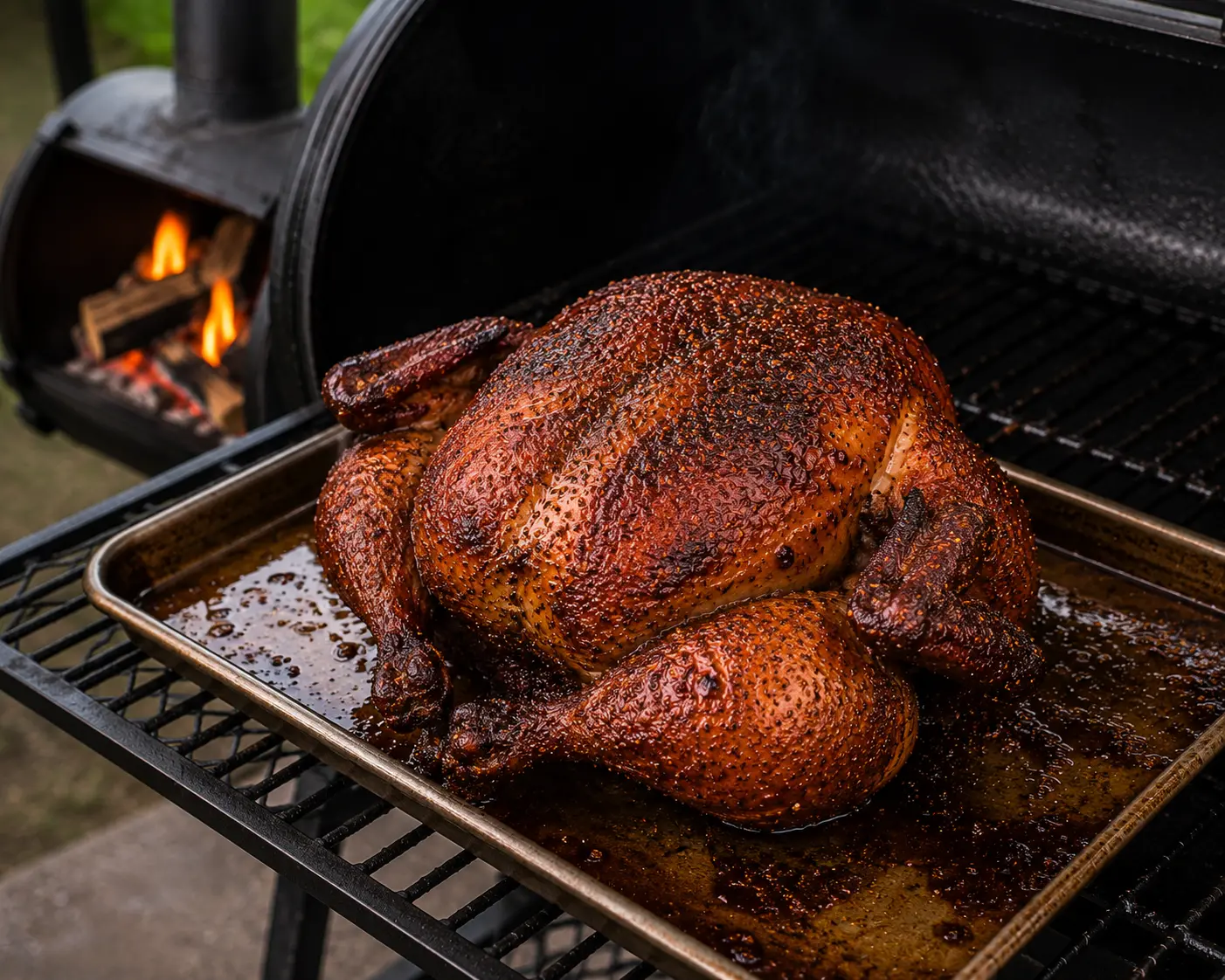
Smoking chicken on an offset smoker is one of the easiest and most rewarding ways to create authentic barbecue at home. Unlike grilling, where high heat cooks the meat quickly, an offset smoker uses indirect heat and clean hardwood smoke to slowly cook the chicken while building deep, natural flavor. The result is tender meat, juicy breasts, flavorful thighs, and beautifully seasoned skin that carries a rich smoky aroma in every bite.
Whether you’re preparing a whole chicken for a family dinner or smoking thighs, drumsticks, or wings for a backyard barbecue, learning the proper technique makes a significant difference. Temperature management, wood selection, seasoning, and cooking time all work together to determine the final result. Even small adjustments can improve tenderness, smoke flavor, and overall texture.
The good news is that chicken is one of the most beginner-friendly meats for offset smokers, and it’s a great way to practice the fundamentals covered in our offset smoker guide for beginners. It cooks faster than brisket or pork shoulder while still teaching valuable fire management skills that apply to every barbecue cook. Once you understand how to maintain a clean-burning fire and cook to the proper internal temperature, you’ll consistently produce restaurant-quality smoked chicken.
This Offset Smoker Chicken Recipe explains every step, from choosing the right chicken and preparing a flavorful seasoning to setting up the smoker and maintaining steady heat. By following these proven techniques, you’ll be able to serve juicy, smoky chicken that your family and guests will request again and again.
Quick Answer
Smoke chicken on an offset smoker at 250°F–275°F using clean-burning hardwood such as apple, cherry, pecan, or oak. Cook until the thickest part of the breast reaches 165°F and the thighs reach 175°F–180°F for maximum tenderness. Allow the chicken to rest for 10–15 minutes before carving. This aligns with the USDA’s official poultry temperature guidance, which sets 165°F as the minimum safe internal temperature for all poultry.
Why Cook Chicken on an Offset Smoker?
An offset smoker produces a flavor that is difficult to replicate with gas grills or ovens. Because the fire burns inside a separate firebox, the chicken cooks indirectly while clean hardwood smoke circulates through the cooking chamber. This gentle cooking method allows smoke to penetrate the meat gradually without exposing it to direct flames.
Another advantage is temperature control. Unlike direct grilling, where flare-ups can burn the outside before the inside finishes cooking, an offset smoker cooks more evenly. The slower cooking process gives the fat time to render, keeps the meat moist, and creates a beautifully seasoned exterior with natural smoky color.
Chicken also absorbs smoke more quickly than larger cuts like brisket or pork shoulder. This means you can achieve excellent barbecue flavor in just a few hours while still enjoying juicy, tender meat.
Choosing the Right Chicken
Selecting quality chicken is the first step toward better barbecue. While almost any cut can be smoked successfully, each one cooks differently and serves a different purpose.
Whole chickens are ideal for family meals because they provide a combination of white and dark meat. They also offer excellent value and develop a beautiful presentation when smoked whole. If you prefer quicker cooks or smaller portions, thighs, drumsticks, wings, and split breasts are all excellent alternatives.
Whenever possible, choose fresh chicken with healthy color and firm texture. Air-chilled or organic chicken often contains less added water, allowing the seasoning to stick better and producing crispier skin.
A whole chicken weighing between 4 and 6 pounds is usually the easiest size to manage in an offset smoker. Larger birds require longer cooking times and can be more challenging to cook evenly.
Brining for Moist and Tender Chicken
Brining is one of the simplest ways to improve smoked chicken. During the brining process, the meat absorbs both moisture and seasoning, helping it remain juicy throughout the cook.
A basic brine contains water, kosher salt, and a small amount of sugar. Additional ingredients such as garlic, black peppercorns, bay leaves, rosemary, thyme, lemon slices, or citrus peel can add subtle layers of flavor without overpowering the natural taste of the chicken. The science behind why brining works is well documented by the National Chicken Council, which explains how salt changes the protein structure in muscle tissue to help it retain moisture during cooking.
Submerge the chicken completely in the brine and refrigerate it for 4 to 8 hours. Avoid brining for much longer than this because excessive salt can change the texture of the meat.
After removing the chicken from the brine, rinse lightly if desired and pat it completely dry using paper towels. Dry skin browns better and allows the seasoning to stick more evenly.
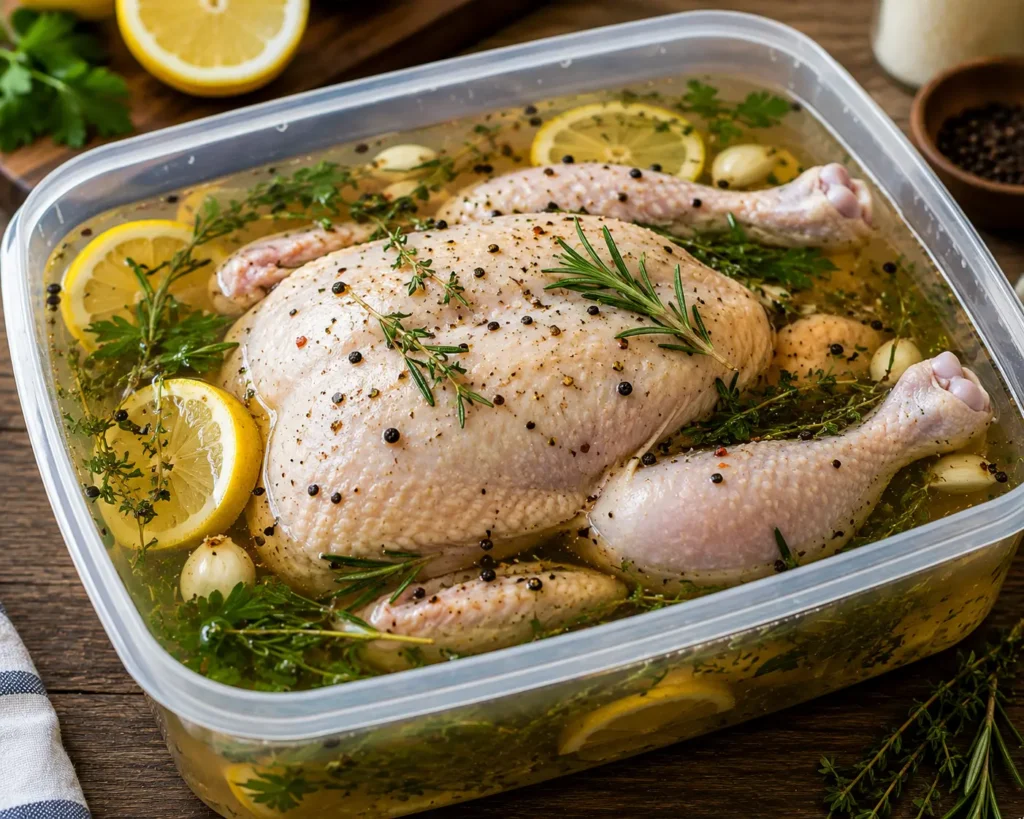
Pro Tip: For crispier smoked chicken skin, place the uncovered chicken on a wire rack in the refrigerator for one to two hours after drying. This removes excess surface moisture and helps the skin render more effectively during smoking.
Seasoning the Chicken
The seasoning should complement the natural flavor of the chicken rather than overpower it. A balanced barbecue rub creates a flavorful crust while allowing the hardwood smoke to remain the star of the cook.
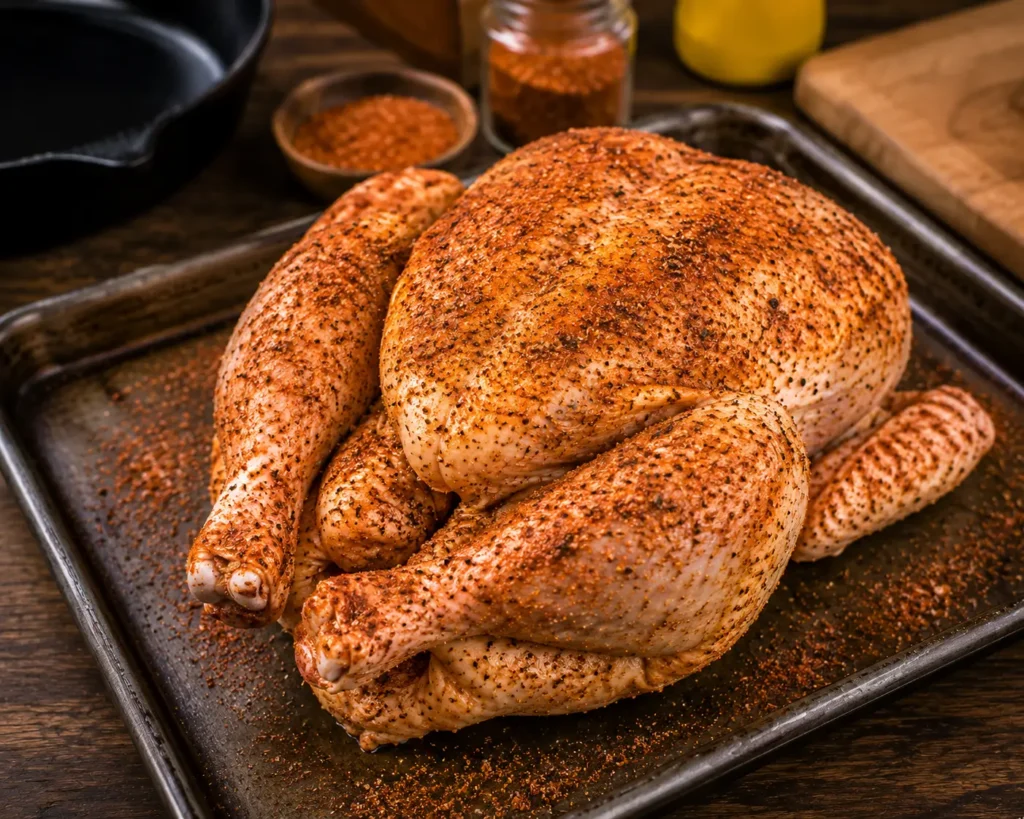
A classic smoked chicken rub includes kosher salt, coarse black pepper, paprika, garlic powder, onion powder, and a small amount of brown sugar. If you enjoy extra heat, cayenne pepper or chipotle powder can be added in moderation.
Apply a light coating of cooking oil or yellow mustard before adding the rub. The binder helps the seasoning adhere to the skin and promotes even coverage without affecting the final flavor.
Make sure to season every side of the chicken, including underneath the wings and inside the cavity of a whole bird. Allow the seasoning to rest for at least 20 to 30 minutes before placing the chicken into the smoker.
Setting Up the Offset Smoker
Proper smoker setup has a greater impact on the final result than almost any seasoning blend. A clean-burning fire produces better flavor, steadier temperatures, and more consistent cooking. If you’re working with a new unit, make sure it has already been through the process to season an offset smoker before your first real cook.
Start by removing old ash from the firebox. Excess ash restricts airflow and makes temperature control more difficult. Open both the intake vent and chimney before lighting your fuel.
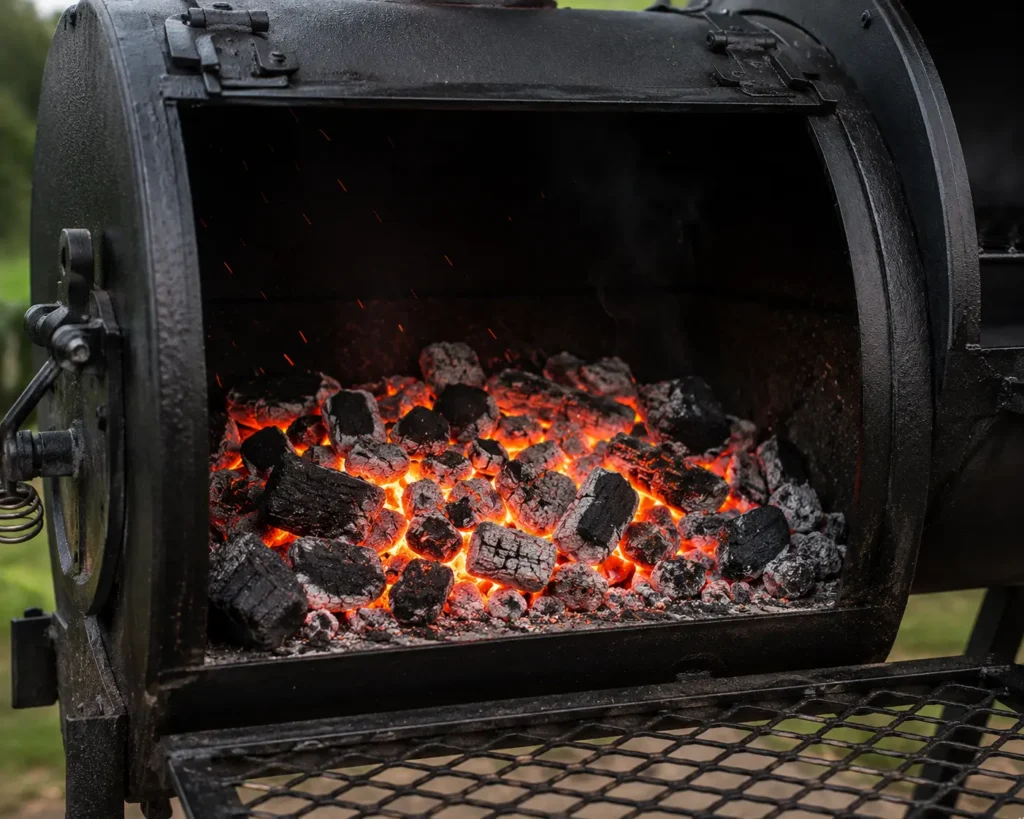
Fill a charcoal chimney starter and allow the charcoal to become fully lit. Pour the hot coals into the firebox to create a solid coal bed. Once the coals are glowing evenly, add one small split of seasoned hardwood.
Allow the smoker to preheat until the cooking chamber reaches 250°F to 275°F. This temperature range is ideal for smoked chicken because it cooks faster than traditional low-and-slow barbecue while helping the skin render more effectively.
Place a reliable digital thermometer at grate level rather than relying only on the thermometer mounted in the smoker lid. The cooking grate often runs at a different temperature than the lid gauge indicates.
Keep the exhaust chimney fully open throughout the cook. Control the temperature by adjusting the fire size and intake vent rather than restricting the exhaust. This encourages clean airflow and produces the thin blue smoke that creates the best barbecue flavor.
Choosing the Best Wood for Smoking Chicken
The type of wood you burn has a noticeable effect on the finished flavor. Chicken has a naturally mild taste, so selecting the right hardwood helps create balance without overpowering the meat.
| Wood | Smoke Strength | Flavor Profile | Best For |
| Apple | Mild | Sweet and fruity | Whole chicken |
| Cherry | Mild | Slightly sweet with rich color | Whole chicken & thighs |
| Pecan | Medium | Rich, nutty flavor | All chicken cuts |
| Oak | Medium | Balanced traditional barbecue | Whole chicken |
| Hickory | Strong | Bold smoky flavor | Wings & drumsticks |
Apple and cherry are excellent choices for beginners because they provide gentle smoke that complements poultry. Oak offers a balanced traditional barbecue flavor, while pecan produces a slightly richer taste without becoming overwhelming.
Hickory can also be used, but in smaller amounts since its stronger smoke may dominate delicate chicken if too much is added.
Maintaining Temperature and Fire Management
Consistent heat is one of the biggest factors that separates average smoked chicken from exceptional barbecue. While an offset smoker naturally experiences small temperature fluctuations, your goal is to keep the cooking chamber between 250°F and 275°F throughout the cook — the same core principles covered in our offset smoker cooking temperature guide. This range allows the chicken to cook evenly while rendering more fat beneath the skin, producing a better texture than lower temperatures.
Build a strong bed of hot coals before adding additional wood. Feed the fire with one small split of seasoned hardwood at a time instead of several large logs. Preheating each wood split on top of the firebox helps it ignite faster, reduces thick white smoke, and keeps the cooking temperature more stable. For a deeper walkthrough of vent control and airflow, see our offset smoker fire management guide.
Watch the smoke coming from the chimney instead of focusing only on the thermometer. Thin blue or nearly invisible smoke indicates clean combustion and produces the best flavor. Thick white or dark gray smoke often means the fire lacks oxygen or the wood has not ignited properly, which can leave the chicken with a bitter taste.
Common Mistake: Opening the smoker every few minutes to check the chicken can add unnecessary cooking time and cause temperature swings. Trust your thermometer and only open the lid when rotating the chicken, basting, or checking the internal temperature near the end of the cook.
Smoking the Chicken
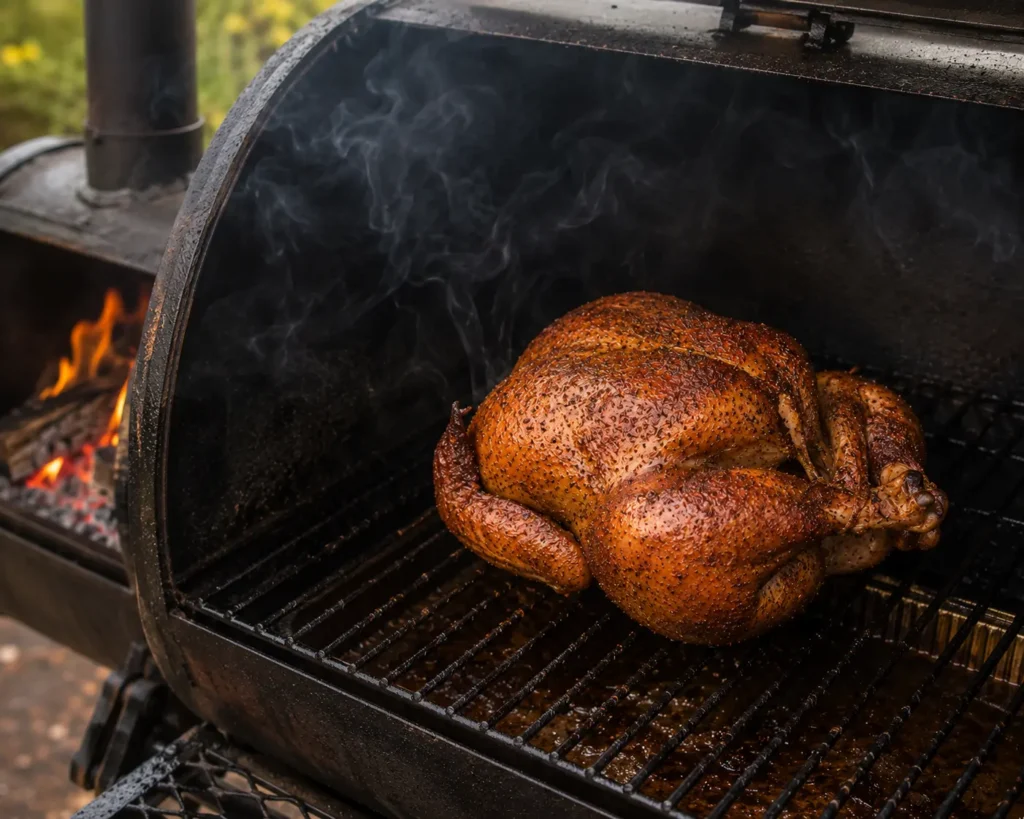
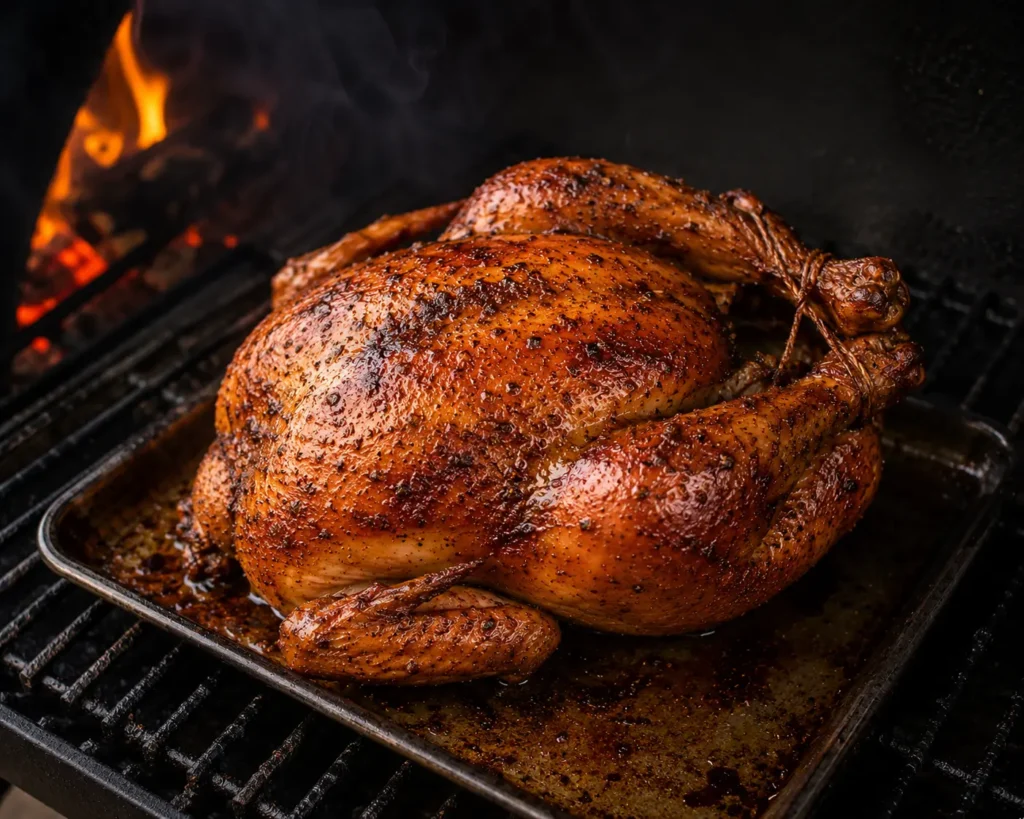
Once the smoker has stabilized, place the chicken in the cooking chamber away from direct heat. Position a whole chicken with the breast facing away from the firebox whenever possible because the breast cooks faster than the thighs and benefits from slightly cooler temperatures.
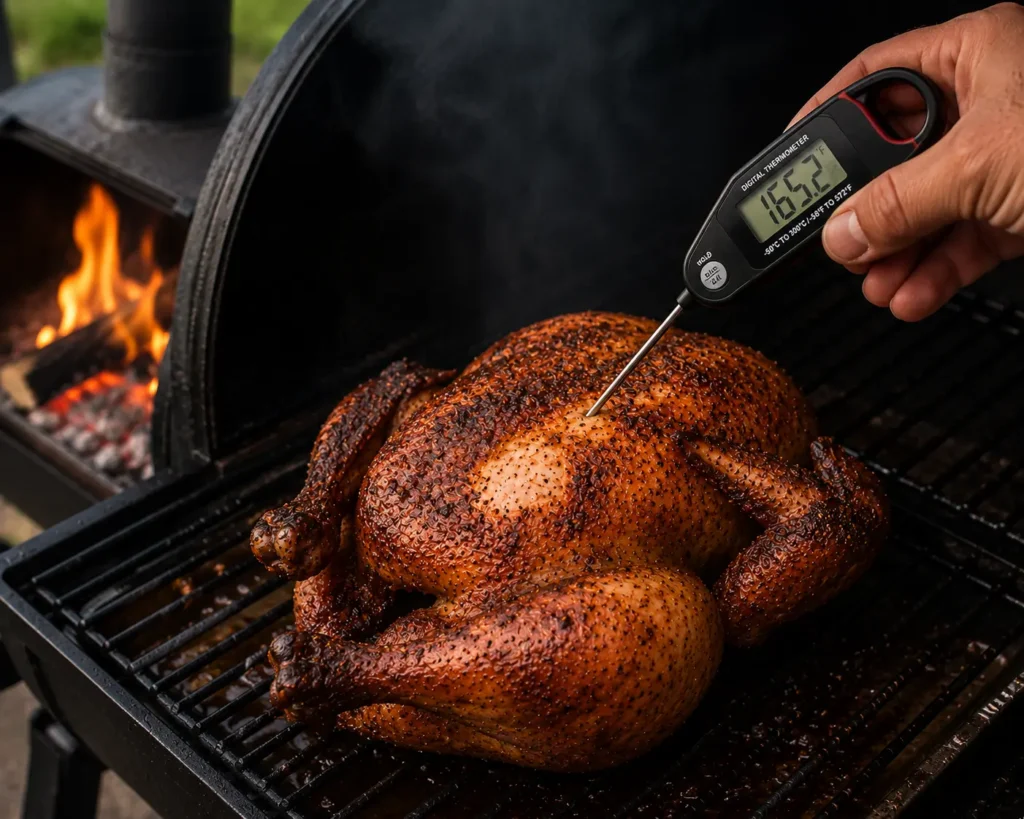
Insert a digital meat thermometer into the thickest part of the breast without touching the bone. If you’re cooking separate pieces, leave enough space between them so smoke and heat can circulate evenly around every piece.
Cooking time depends on the size of the chicken and the cooking temperature. A whole chicken weighing 4 to 6 pounds generally requires 3 to 4½ hours at 250°F to 275°F. Rather than relying entirely on time, monitor the internal temperature throughout the cook.
Chicken is considered safe when the breast reaches 165°F, but many pitmasters prefer cooking the thighs to 175°F–180°F because the extra heat breaks down connective tissue and creates a more tender bite.
Using a Water Pan
A water pan can help stabilize the cooking environment, especially in smaller offset smokers that are more sensitive to temperature fluctuations. The added moisture reduces rapid evaporation from the meat while helping maintain a more consistent cooking temperature.
Place the water pan on the cooking grate near the firebox or directly beneath the chicken if your smoker design allows it. Refill the pan with hot water whenever necessary instead of cold water, which can temporarily lower the smoker temperature.
Some cooks like adding sliced lemons, onions, garlic, rosemary, thyme, or apple cider to the water. While these ingredients create a pleasant aroma inside the smoker, they contribute only subtle flavor to the finished chicken.
Rotating and Basting the Chicken
Because offset smokers naturally have hotter and cooler areas, rotating the chicken about halfway through the cook helps it brown more evenly. Move the side closest to the firebox toward the cooler end of the cooking chamber and rotate the bird 180 degrees if necessary.
During the final hour of cooking, you can baste the chicken to build additional flavor and color. A simple mixture of melted butter, olive oil, herbs, garlic, or your favorite barbecue sauce works well without overpowering the smoke flavor.
Brush the chicken lightly instead of applying thick layers of sauce too early. Sugary sauces can burn if exposed to heat for long periods. Applying barbecue sauce during the last 20 to 30 minutes creates a glossy glaze while preventing scorching.
Should You Wrap the Chicken?
Unlike brisket or pork shoulder, chicken usually does not require wrapping. Since poultry cooks relatively quickly, wrapping can soften the skin and reduce the amount of smoke flavor that develops during the cook.
If the chicken begins browning faster than expected or the smoker temperature rises unexpectedly, loosely wrapping it in aluminum foil during the final stage can help protect the skin from becoming too dark. However, most cooks achieve the best texture by leaving the chicken unwrapped from start to finish.
For those who enjoy crispier skin, increase the smoker temperature to around 300°F during the last 20 to 30 minutes, or briefly finish the chicken over direct heat after smoking.
Checking for Doneness
The most reliable way to know when smoked chicken is ready is by checking the internal temperature with a quality digital thermometer.
Insert the probe into the thickest part of the breast and another into the thickest part of the thigh without touching the bone. The breast should reach 165°F, while the thighs generally become more tender between 175°F and 180°F.
Besides temperature, look for clear juices when the meat is pierced and skin that has turned a deep golden brown. The legs should move freely at the joints, indicating the connective tissue has fully cooked.
Avoid relying on cooking time alone because bird size, outdoor weather, and smoker performance all influence the total cook time.
Resting the Chicken
Once the chicken reaches the proper internal temperature, remove it from the smoker and transfer it to a cutting board or serving tray. Allow it to rest uncovered for 10 to 15 minutes before carving.
Resting gives the juices time to redistribute throughout the meat. If the chicken is cut immediately after leaving the smoker, much of the moisture will run onto the cutting board instead of remaining inside the meat.
There’s no need for a long rest as you would with brisket or pork shoulder. Fifteen minutes is usually enough to improve both texture and juiciness.
Carving and Serving
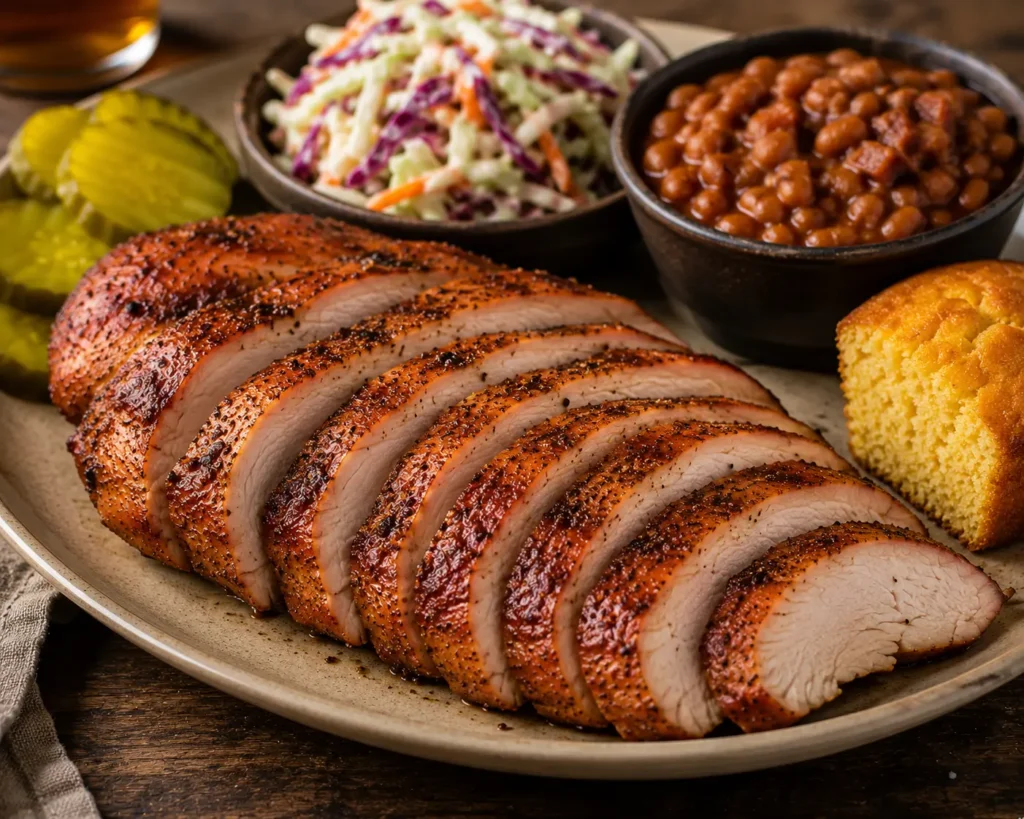
For a whole chicken, begin by removing the legs and thighs, followed by the wings. Slice each breast against the grain into even pieces before arranging everything on a serving platter.
The smoky flavor pairs exceptionally well with traditional barbecue sides such as creamy coleslaw, baked beans, macaroni and cheese, cornbread, potato salad, grilled vegetables, or roasted corn on the cob.
Smoked chicken is also incredibly versatile. Leftovers can be shredded for tacos, sandwiches, wraps, salads, soups, pasta dishes, pizzas, and casseroles, making it one of the most practical barbecue meals to prepare.
Pro Tip: Save the juices that collect while the chicken rests. Drizzle them over the sliced meat before serving for even more flavor and moisture.
Storing Leftover Smoked Chicken
Allow leftover chicken to cool slightly before storing it in airtight containers. Refrigerated smoked chicken stays fresh for 3 to 4 days when properly stored.
For longer storage, wrap portions tightly and freeze them for up to three months. Thaw overnight in the refrigerator before reheating.
When reheating, use a low oven or covered skillet with a splash of chicken broth to help maintain moisture. Avoid overheating, as chicken can dry out quickly.
Frequently Asked Questions
A 4- to 6-pound whole chicken usually takes 3 to 4½ hours at 250°F to 275°F. Always cook to internal temperature rather than relying only on time.
For most offset smokers, 250°F to 275°F provides the best balance between smoke flavor, juicy meat, and properly rendered skin.
Apple, cherry, pecan, and oak are among the best hardwoods for smoking chicken. Apple and cherry provide mild sweetness, while oak and pecan produce a richer barbecue flavor without overpowering the meat.
Brining the chicken, maintaining a clean fire, avoiding overcooking, and allowing the meat to rest before carving all help preserve moisture.
Dry the skin thoroughly before seasoning, smoke at 250°F–275°F, and finish the chicken at around 300°F during the final 20 to 30 minutes if additional crispness is desired.
Final Thoughts on This Offset Smoker Chicken Recipe
This Offset Smoker Chicken Recipe proves that delicious smoked chicken doesn’t require complicated techniques or expensive ingredients. Success comes from choosing quality chicken, seasoning it well, maintaining a clean-burning fire, and cooking to the correct internal temperature. With consistent heat between 250°F and 275°F, properly seasoned hardwood, and careful temperature monitoring, you can produce tender, juicy chicken with rich smoke flavor every time.
As you gain experience with your offset smoker, don’t hesitate to experiment with different wood combinations, homemade rubs, marinades, and finishing sauces to develop your own signature barbecue style. Whether you’re smoking a whole chicken for Sunday dinner, preparing wings for game day, or cooking thighs for meal prep, these techniques will help you achieve consistently flavorful results.
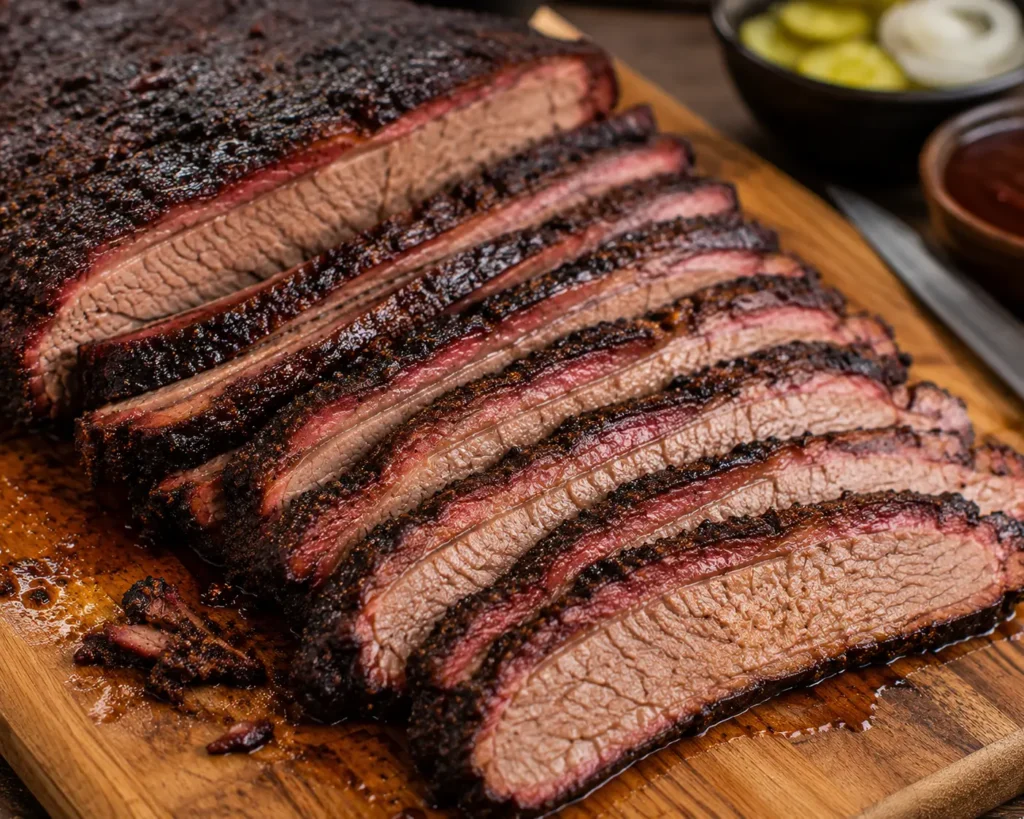
Mastering smoked chicken also builds the fire management skills needed for larger barbecue cooks. Once you’re comfortable here, put those same skills to work on our offset smoker pork shoulder recipe or our offset smoker brisket recipe — both build on the exact fire and temperature control fundamentals you just practiced here.