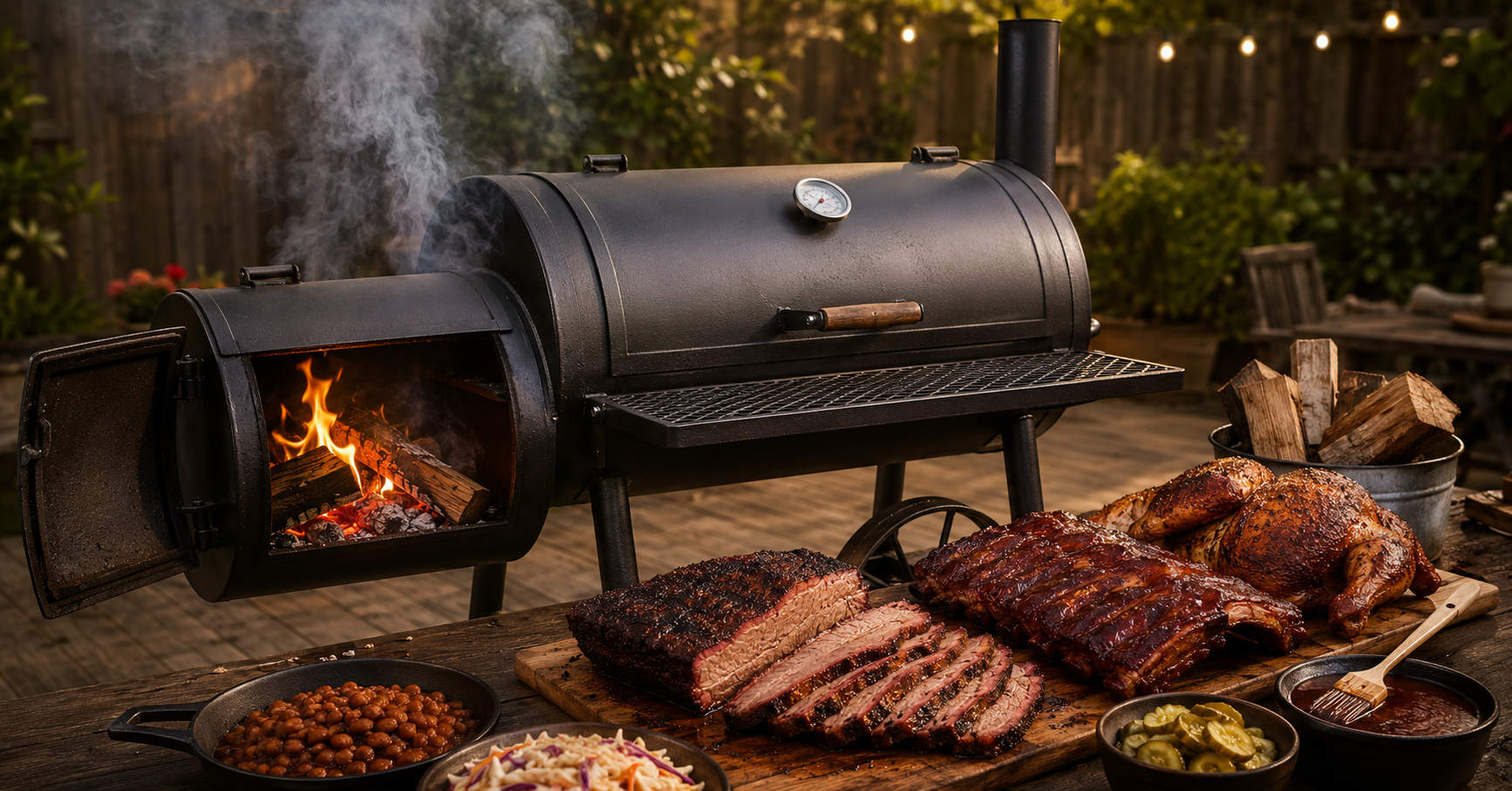
An offset smoker grill is one of the most popular choices among barbecue enthusiasts who want authentic smoky flavors and perfectly cooked meats. Designed with a separate firebox and cooking chamber, an offset smoker provides indirect heat that allows food to cook low and slow, resulting in tender, juicy, and flavorful barbecue.
Whether you’re smoking brisket, ribs, chicken, or vegetables, learning how to use an offset smoker grill can elevate your outdoor cooking experience.
What Is an Offset Smoker Grill?
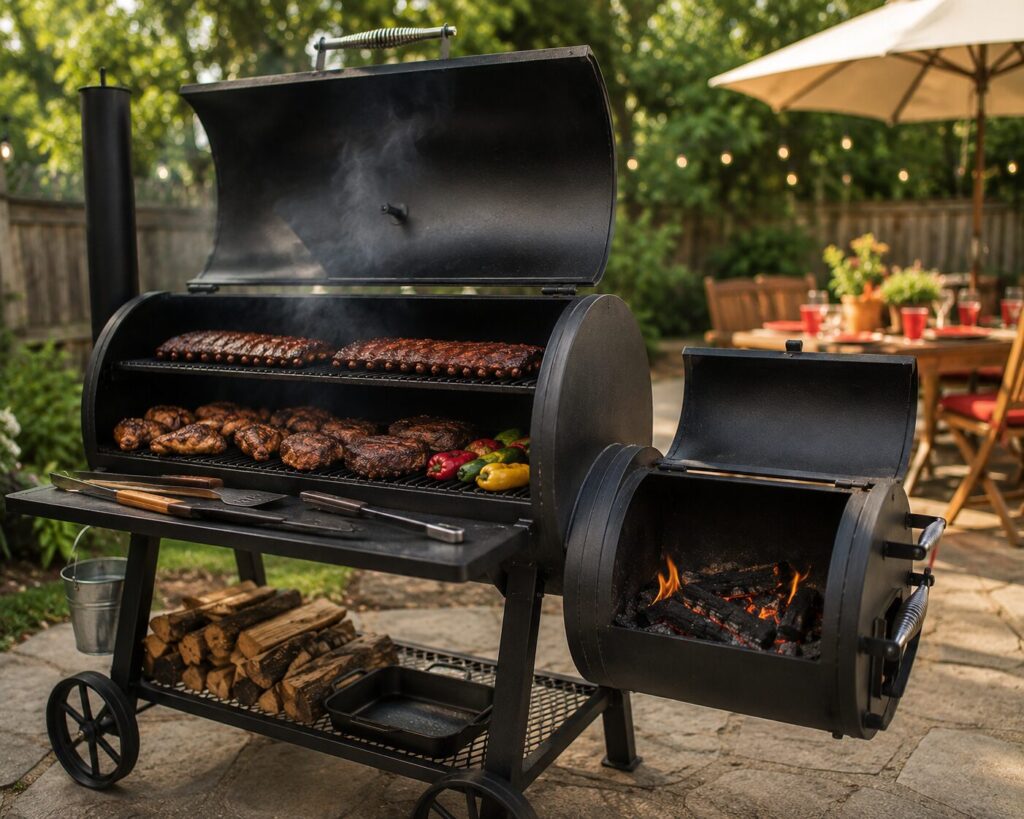
An offset smoker grill is a type of barbecue smoker featuring a side mounted firebox connected to the main cooking chamber. Heat and smoke generated in the firebox travel through the cooking chamber, providing indirect cooking and creating the signature smoky flavor that barbecue lovers appreciate.
Unlike traditional grills that cook food directly over the flame, offset smokers use controlled heat circulation to achieve consistent temperatures and superior flavor.
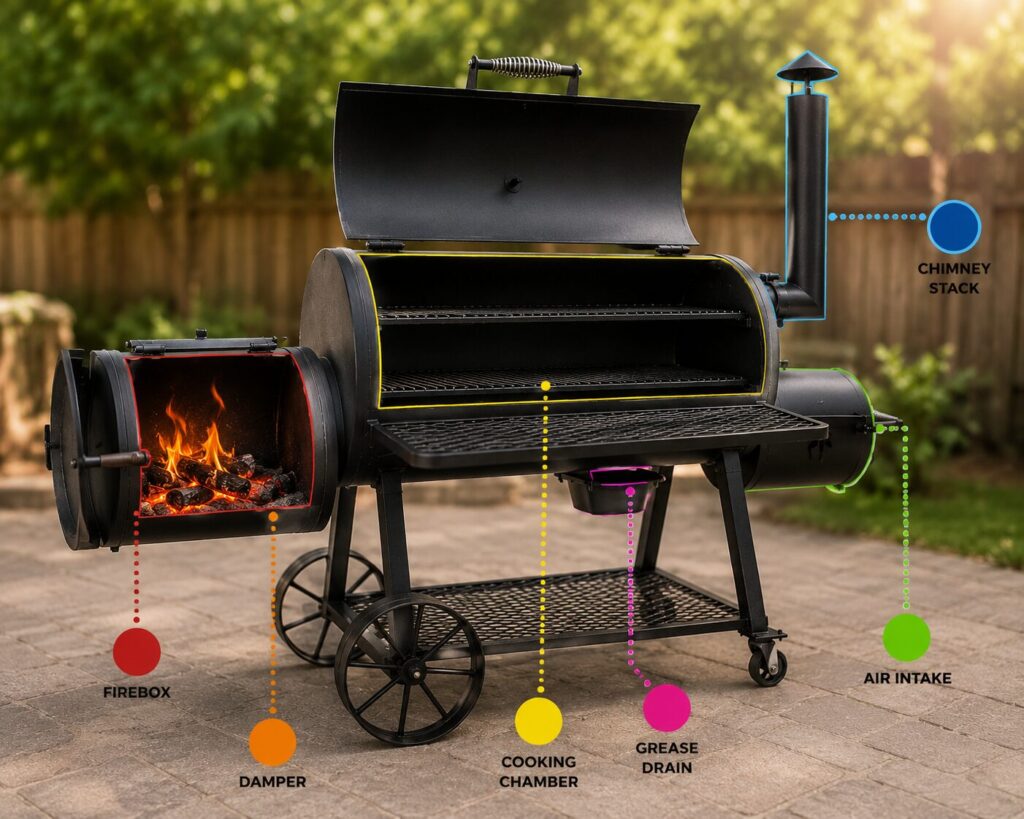
Key Components of an Offset Smoker Grill
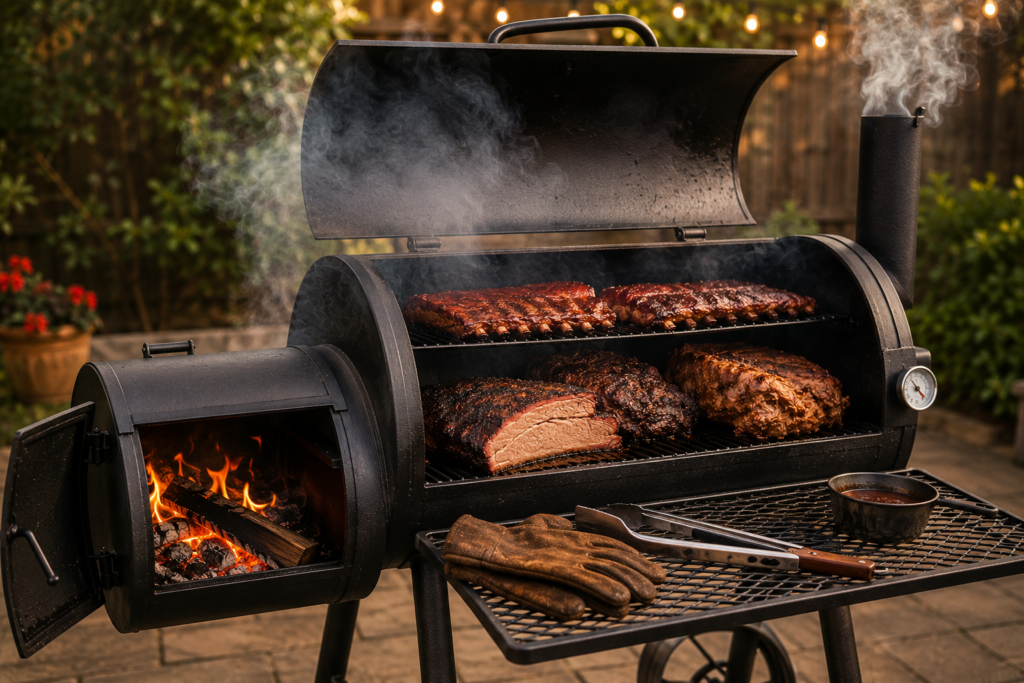
- Firebox:The firebox is the side chamber where charcoal or wood is burned. It generates heat and smoke that flow into the cooking chamber.
- Cooking Chamber:The cooking chamber is where food is placed. Smoke and heat circulate around the food for even cooking and enhanced flavor.
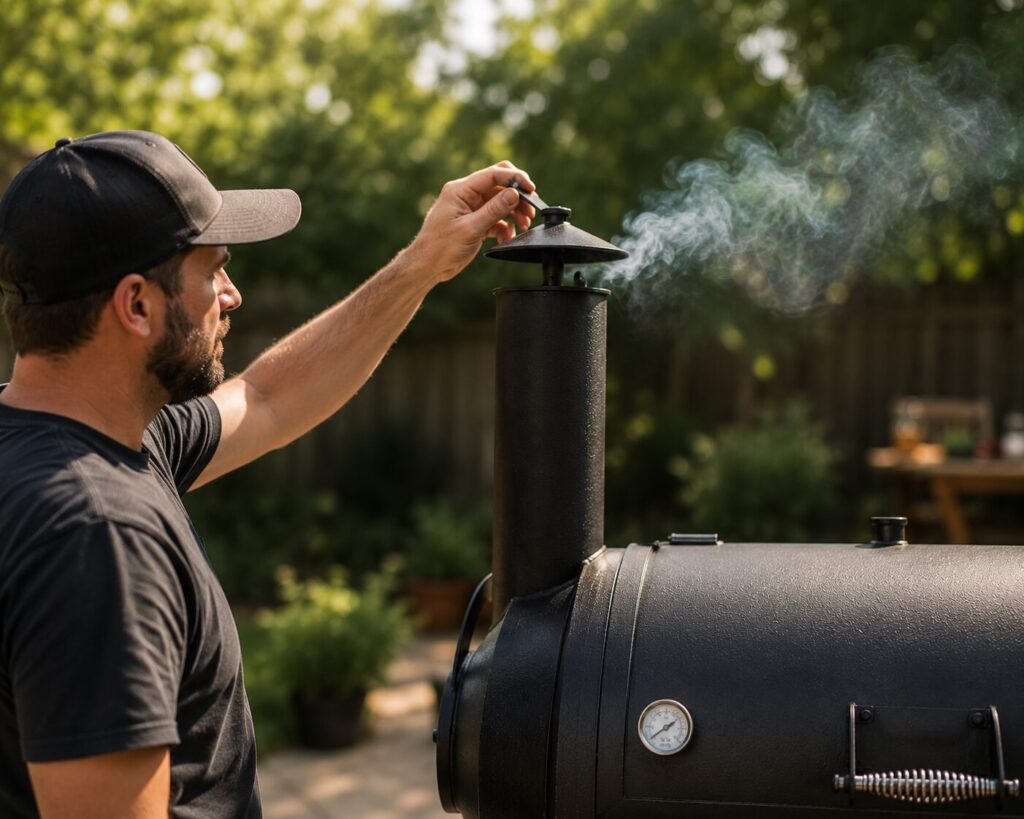
- Chimney Stack:The stack controls airflow and allows excess smoke to escape, helping maintain consistent temperatures.
- Cooking Grates:These metal racks support the food during cooking and can vary in size and material depending on the smoker model.
Benefits of Using an Offset Smoker Grill
Rich Smoky Flavor
One of the biggest advantages of an offset smoker is its ability to produce deep, authentic barbecue flavor. Slow cooking allows smoke to penetrate the meat, resulting in tender and delicious dishes.
Versatile Cooking Options
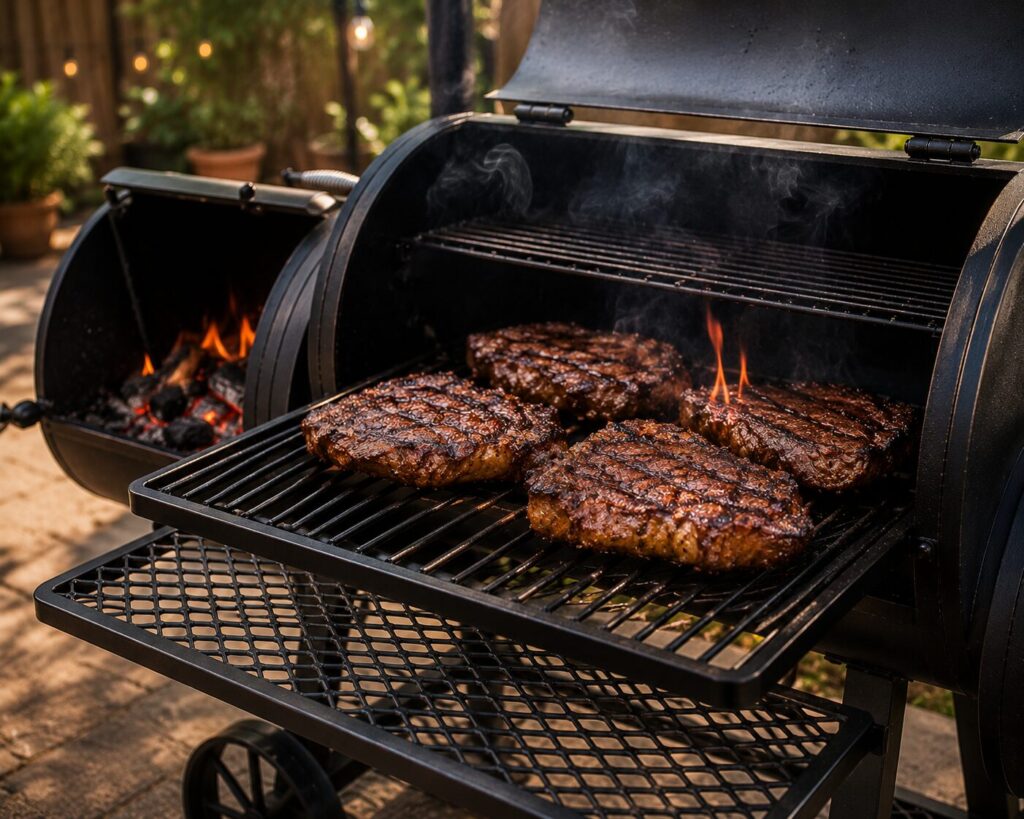
Many offset smokers can function as both smokers and traditional charcoal grills. They are suitable for:
- Smoking brisket
- Grilling steaks
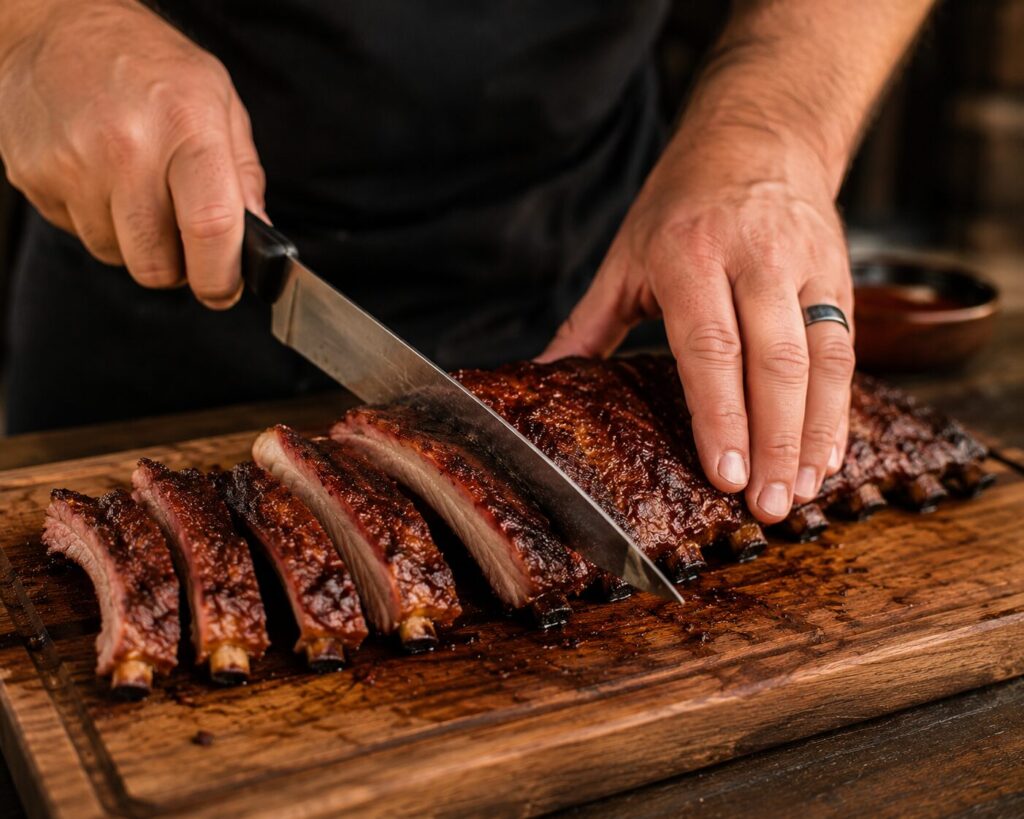
- Cooking ribs
- Smoking chicken
- Roasting vegetables
- Baking pizza
Large Cooking Capacity
Offset smoker grills often provide generous cooking space, making them ideal for family gatherings, parties, and backyard barbecues.
Excellent Temperature Control
Adjustable air vents and chimneys allow users to regulate heat and maintain the ideal smoking temperature.
Traditional Barbecue Experience
Cooking with wood and charcoal creates a unique outdoor cooking experience that many barbecue enthusiasts enjoy.
How to Choose the Best Offset Smoker Grill
Consider the Size
Choose a smoker based on your cooking needs. Large smokers are ideal for entertaining guests, while smaller models work well for personal use.
Look at the Material
Heavy-duty steel smokers provide better heat retention and durability. Thick-gauge steel construction helps maintain stable temperatures.
Check Portability
If you plan to transport your smoker, consider models equipped with wheels and sturdy handles.
Set Your Budget
Offset smoker grills are available in various price ranges. Investing in a quality smoker often leads to better performance and longer lifespan.
Research Brand Reputation
Popular brands known for reliable offset smokers include:
- Oklahoma Joe’s
- Char-Griller
- Dyna-Glo
- Royal Gourmet
- Weber
How to Use an Offset Smoker Grill
Season the Smoker
Before first use, season your smoker to remove manufacturing residues and create a protective layer.
Choose the Right Fuel
Popular wood choices include:
- Hickory
- Oak
- Mesquite
- Applewood
- Cherry wood
Charcoal can be used alongside wood chunks for consistent heat.
Build and Maintain the Fire
Start with charcoal and gradually add wood chunks. Control airflow using intake and exhaust vents to maintain temperatures between 225°F and 250°F.
Monitor Meat Temperature
Using a meat thermometer helps ensure food reaches the proper internal temperature.
Allow Meat to Rest
After cooking, let the meat rest for at least 30 minutes. This helps retain moisture and improves tenderness.
Smoking Times for Popular Meats
| Meat | Approximate Cooking Time |
| Pork Ribs | 4–6 Hours |
| Chicken | 3–5 Hours |
| Pork Shoulder | 10–14 Hours |
| Brisket | 12–16 Hours |
| Turkey | 5–7 Hours |
Offset Smoker Maintenance Tips
- Clean After Every Use:Remove ashes and clean the cooking grates to prevent grease buildup.
- Protect with a Cover:A quality cover protects the smoker from rain and moisture, reducing rust.
- Inspect for Rust:Regular inspections and proper seasoning help extend the life of your smoker.
Common Mistakes to Avoid
- Rushing the smoking process.
- Overloading the cooking chamber.
- Ignoring temperature management.
- Opening the lid too frequently.
- Cutting meat immediately after cooking.
Frequently Asked Questions
Yes. Many offset smoker grills can also function as traditional charcoal grills.
Most meats are smoked between 225°F and 250°F for optimal results.
Yes. Offset smokers provide unmatched smoky flavor, excellent temperature control, and a rewarding barbecue experience.
Hickory, oak, applewood, cherry, and mesquite are among the best woods for smoking.
Why Investing in a Quality Offset Smoker Grill is Worth It
While a premium offset smoker grill might require a higher upfront investment, it pays off in durability and performance. Cheap, thin-gauge steel smokers struggle to maintain steady cooking temperatures, leading to dry meat and a frustrating barbecue experience. On the other hand, a well-built smoker crafted from heavy-duty steel retains heat efficiently, uses less wood and charcoal, and withstands harsh weather conditions. Investing in a reliable brand ensures that your backyard pitmaster journey is smooth, enjoyable, and yields competition-quality results for years to come.
Essential Accessories for Your Offset Smoker Grill
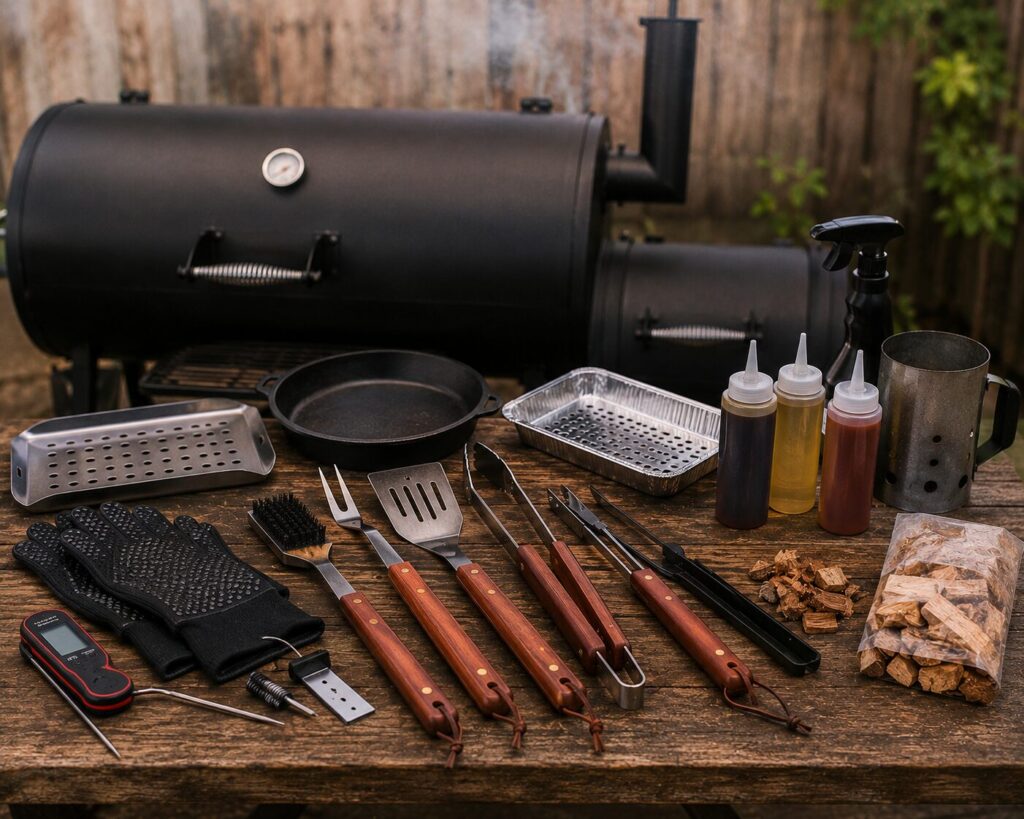
To truly master the art of low and slow cooking, pairing your offset smoker grill with the right tools is essential. A high-quality digital wireless meat thermometer is a must-have accessory, allowing you to monitor internal meat temperatures without opening the cooking chamber lid and losing heat. Additionally, heavy-duty heat-resistant gloves, a sturdy charcoal chimney starter, and a premium weather-resistant grill cover will protect your investment and make your outdoor cooking sessions much safer and more efficient.
How to Control Temperature on an Offset Smoker Grill
Mastering temperature control on an offset smoker grill is the secret to perfect backyard barbecue. The key lies in managing the airflow using the intake vent (on the firebox) and the exhaust vent (on the chimney). Opening the intake vent allows more oxygen to enter, which raises the fire’s temperature, while closing it slightly cools the pit down. For the best results, keep the chimney exhaust mostly open to ensure a steady flow of clean, blue smoke, and make only small, incremental adjustments to the vents to maintain that sweet spot between 225°F and 250°F.
Best Meats to Cook for Beginners on an Offset Smoker
If you are new to using an offset smoker grill, starting with the right cut of meat can boost your confidence and guarantee success. While brisket is the ultimate test of a pitmaster, pork shoulder (pulled pork) and pork ribs are much more forgiving for beginners. These cuts have a higher fat content, meaning they stay juicy and tender even if your pit temperature fluctuates a bit during the long cooking process. Once you master temperature management with these easier meats, you can confidently move on to complex cooks like beef brisket or whole turkey.
Is an Offset Smoker Grill Worth It?
An offset smoker grill is an excellent investment for anyone passionate about barbecue. Its unique design delivers superior smoke flavor, versatile cooking capabilities, and precise temperature control. With proper maintenance and practice, you can create restaurant-quality brisket, ribs, chicken, and other smoked dishes right in your backyard.
Whether you’re a beginner or an experienced pitmaster, mastering an offset smoker grill will transform your outdoor cooking and help you produce unforgettable barbecue every time.