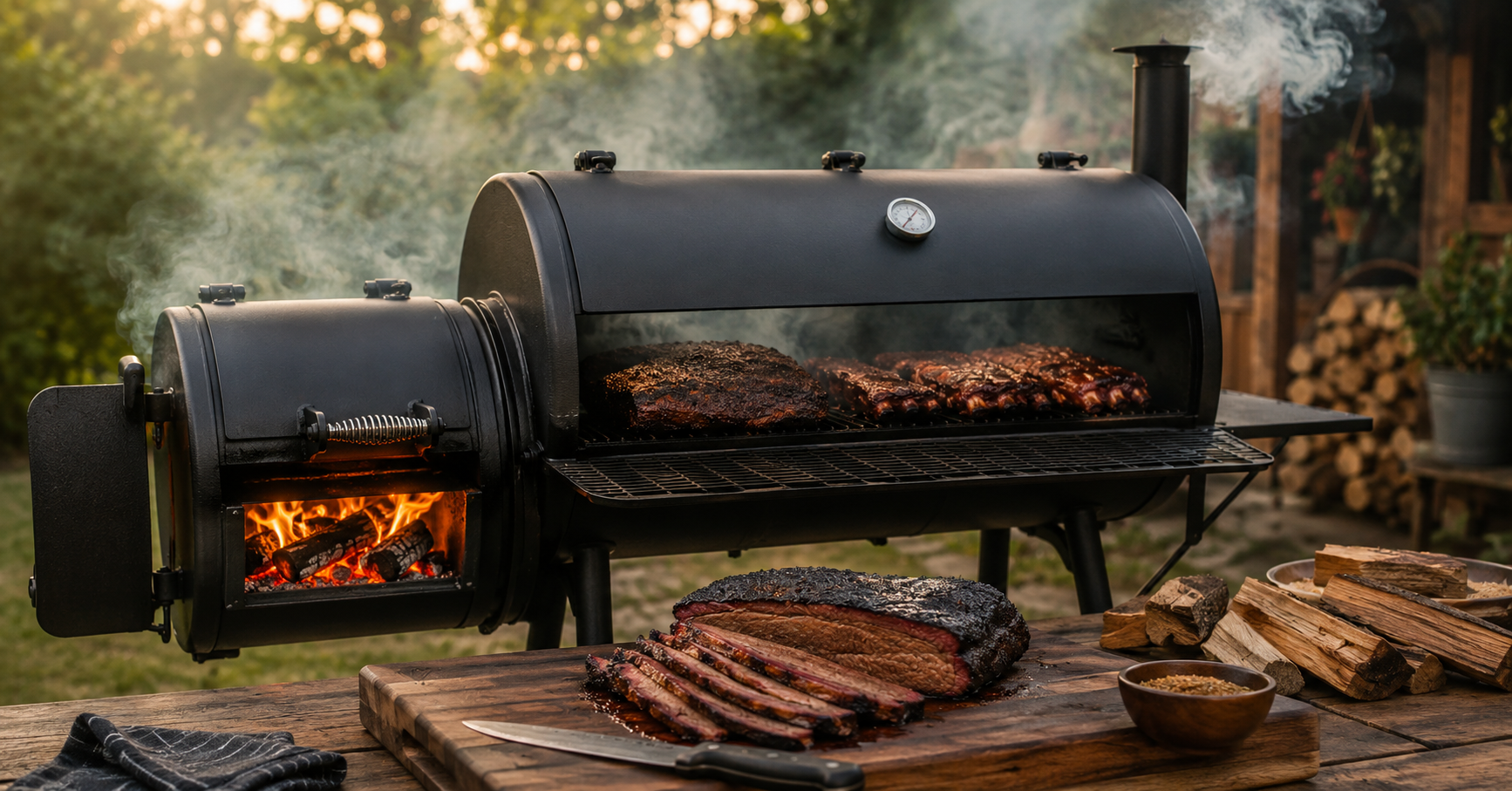
If you’re serious about barbecue, an offset smoker is one of the best investments you can make. Offset smokers are the gold standard for pitmasters who want authentic, deep smoky flavor in their meats. Whether you’re a beginner exploring BBQ smokers for the first time or an experienced cook looking to upgrade your outdoor cooking setup, this complete guide to offset smokers will walk you through everything from how offset smokers work to mastering low and slow smoking techniques.
What Is an Offset Smoker? (And How Does It Work?)
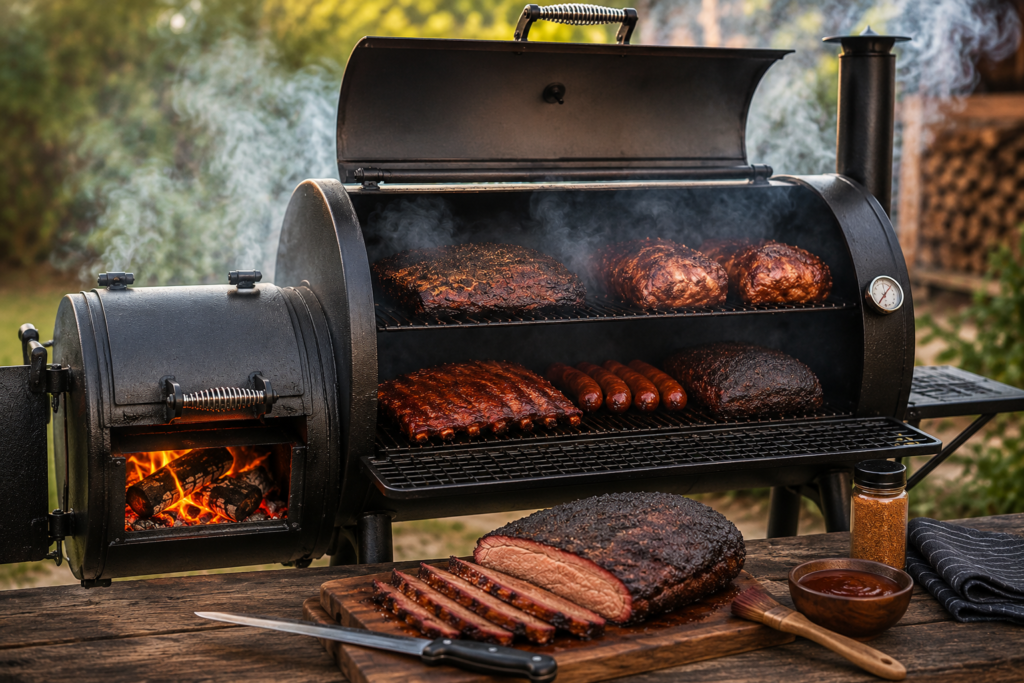
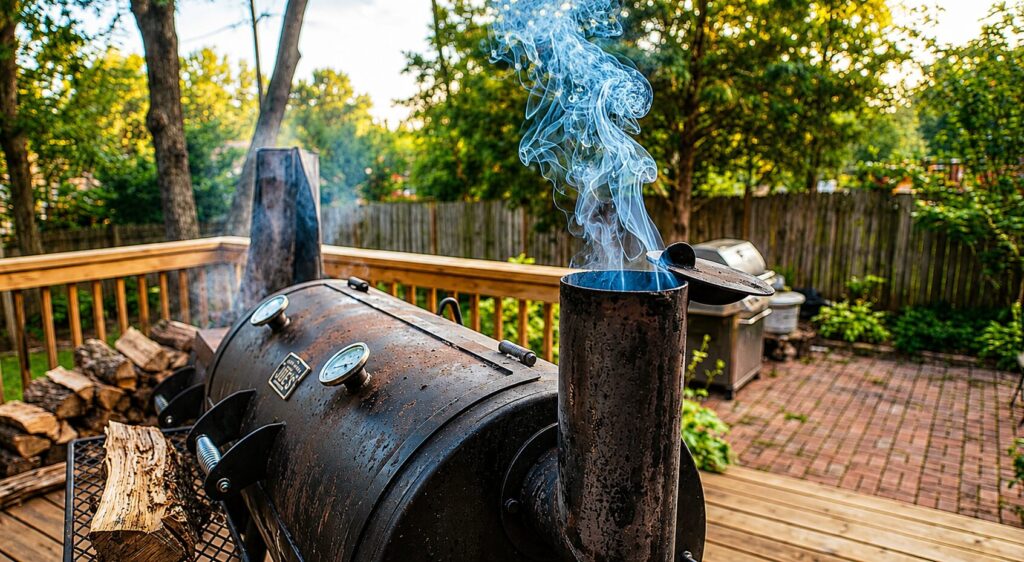
An offset smoker is a type of BBQ smoker designed for indirect heat cooking. Unlike regular grills where food sits directly over the fire, an offset smoker has a separate firebox attached to the side of the main cooking chamber. Heat and smoke from the firebox travel horizontally across the cooking chamber, surrounding the food with gentle, consistent smoke and heat before exiting through the chimney.
This indirect cooking method is what makes offset smokers ideal for slow cooking large cuts of meat like brisket, pork shoulder, and ribs producing tender, juicy, fall-off-the-bone results that you simply can’t achieve with direct-heat grilling.
The Anatomy of an Offset Smoker: Key Components Explained
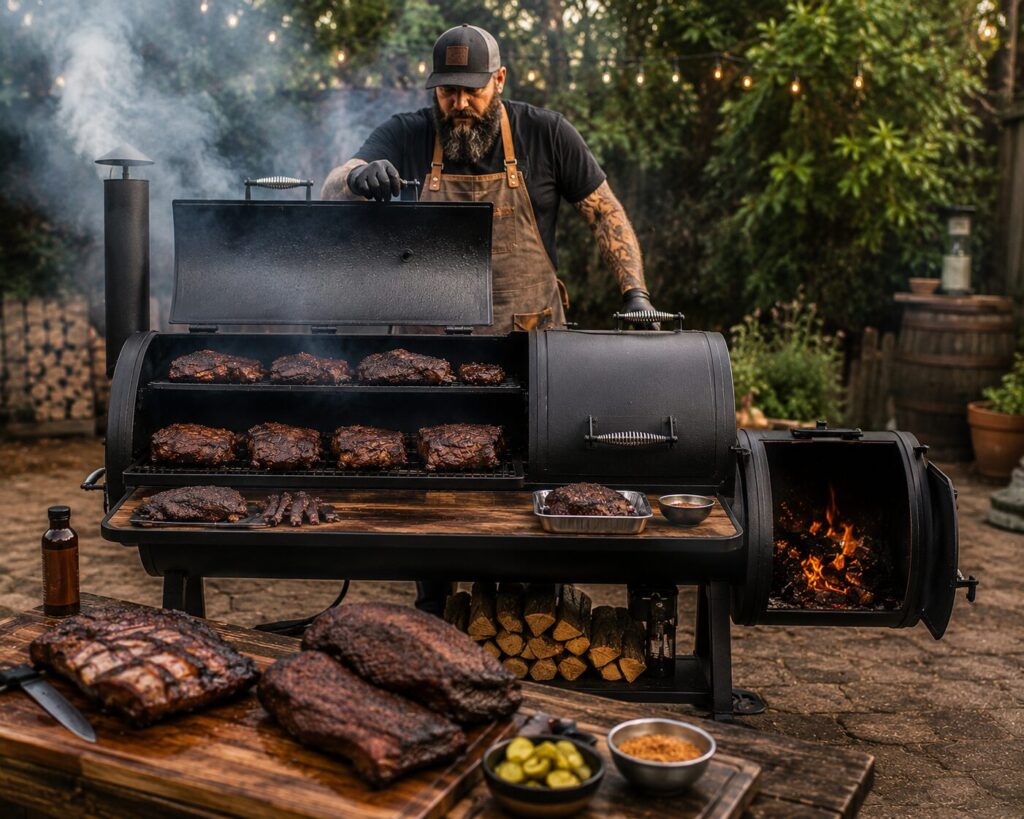
Understanding the parts of your offset smoker helps you cook smarter and troubleshoot faster. Here are the main components:
- Firebox: The heart of your offset smoker. This is where you burn wood or charcoal to generate heat and smoke. The firebox is positioned off to one side hence the name ‘offset smoker’.
- Cooking Chamber: The main compartment where your food cooks. Because it’s separated from the firebox, the cooking chamber maintains lower, more consistent temperatures ideal for slow smoking.
- Chimney / Smokestack: Located on the opposite end from the firebox, the chimney controls airflow and helps draw smoke evenly across the food.
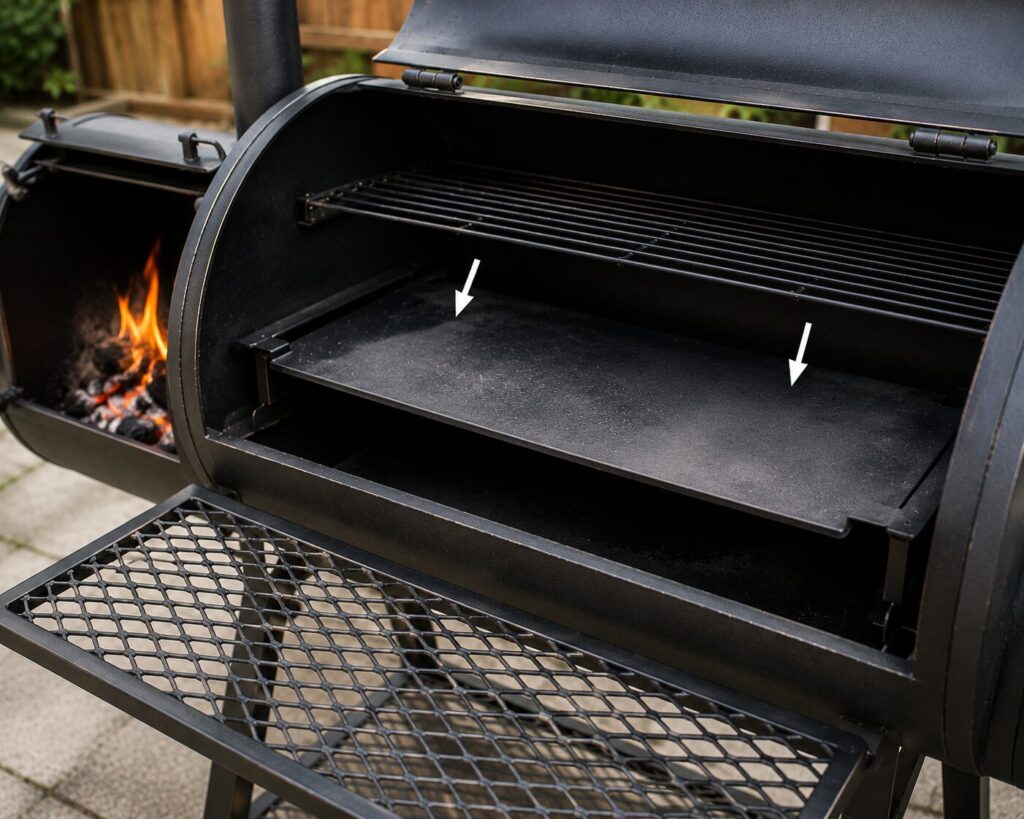
- Baffle Plate / Heat Deflector: This plate sits between the firebox opening and the cooking chamber, distributing heat and smoke evenly to prevent hot spots near the firebox.
- Temperature Gauge / Thermometer: Most offset smokers include a built-in thermometer, though many pitmasters recommend adding a separate digital meat thermometer for accuracy.
- Cooking Grates: The surface where food rests. Some offset smoker models offer multiple grate levels for increased cooking capacity.
- Ash Pan: Sits beneath the firebox grates for easy ash and debris cleanup after each cook.
- Air Vents / Dampers: Both the firebox and chimney have adjustable vents that let you control airflow and regulate cooking temperature with precision.
Why Choose an Offset Smoker? Top Benefits
1. Superior Smoky Flavor
The number one reason BBQ enthusiasts choose offset smokers is flavor. Because the fire burns separately and smoke travels slowly across the food, every bite absorbs rich, complex smoky notes that no gas grill or electric smoker can fully replicate. With offset smokers, you can experiment with wood types hickory, mesquite, applewood, cherry, pecan each imparting a distinct flavor profile to your BBQ.
2. Precise Temperature Control
Offset smokers give you full manual control over your cook. By adjusting the intake vent on the firebox and the exhaust vent on the chimney, you can fine-tune airflow and maintain stable cooking temperatures for hours. This level of control is why professional pitmasters favor offset smokers for competition BBQ.
3. Large Cooking Capacity
Most offset smokers offer a generous cooking surface, making them ideal for cooking large quantities of meat for gatherings, parties, or competitions. You can smoke multiple racks of ribs, a whole brisket, and a pork butt simultaneously.
4. Versatility
While primarily used for smoking, offset smokers can also function as direct-heat grills. Simply place food directly over the firebox grates for grilling or searing making your offset smoker a true multi-purpose outdoor cooker.
5. Community and BBQ Culture
Owning an offset smoker connects you to a vibrant community of BBQ lovers. From local cookouts to national competitions, offset smoker enthusiasts love sharing techniques, wood choices, and secret rubs making it as much a social experience as a culinary one.
How to Choose the Best Offset Smoker: Buyer’s Guide
With so many offset smoker models available, here’s what to look for when buying:
- Size and Cooking Area: Choose based on how many people you typically cook for. For home use, a cooking chamber of 400–600 square inches is usually sufficient. For large groups or catering, go bigger.
- Steel Thickness: The best offset smokers are built from heavy-gauge steel (at least 1/4 inch thick). Thicker steel retains heat better, reduces temperature fluctuations, and lasts longer.
- Build Quality and Seals: Check that the firebox-to-chamber connection is tight and well-sealed. Poor seals allow heat and smoke to escape, making temperature control frustrating.
- Portability: If you plan to transport your smoker to competitions or tailgate events, look for a model with sturdy wheels and a manageable weight.
- Extras and Features: Useful additions include warming racks above the firebox, side shelves for prep work, multiple damper adjustments, and easy-clean ash pans.
- Budget: Offset smokers range from affordable entry-level models around $200 to high-end custom pits costing several thousand dollars. Mid-range options ($500–$1,500) typically offer the best balance of quality and value for serious home pitmasters.
Getting Started: How to Set Up and Season Your Offset Smoker
Step 1: Season Your New Offset Smoker
Before your first cook, season your offset smoker to burn off any factory residues and create a protective coating inside the cooking chamber:
- Coat the inside of the cooking chamber and firebox with a thin layer of cooking oil (vegetable or flaxseed oil work well).
- Build a small fire in the firebox and let the smoker run at 250–300°F for 2–3 hours.
- This seasoning process cures the metal, improves heat retention, and helps develop that classic seasoned BBQ smell.
Step 2: Choose the Right Wood for Smoking
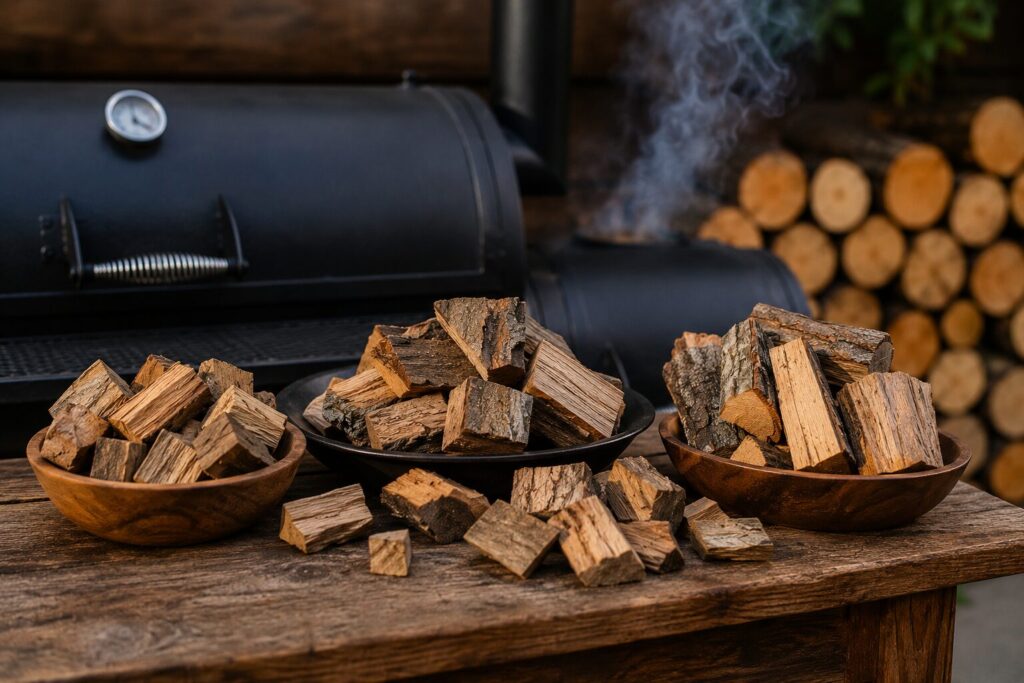
Wood selection is one of the most important decisions you’ll make with your offset smoker. Different woods pair better with different meats:
Hickory: Strong, bold smoke flavor great for pork ribs, bacon, and shoulder.
Mesquite: Intense, earthy smoke best for beef brisket and steaks.
Applewood: Mild, slightly sweet perfect for poultry and fish.
Cherry: Sweet, fruity smoke excellent with pork and duck.
Pecan: Rich, nutty flavor pairs well with pork and brisket.
Always use properly dried (seasoned) hardwood. Avoid green (freshly cut) wood and softwoods like pine, which produce harsh, bitter smoke and can impart unpleasant flavors to your food.
Step 3: Build Your Fire
The best offset smoker fire uses a combination of charcoal and wood:
- Start a chimney starter full of charcoal and let it ash over completely.
- Pour hot coals into the firebox to establish your base heat.
- Add 2–3 small logs or wood chunks on top of the hot coals.
- Allow the fire to stabilize before adding food to the cooking chamber.
Mastering Temperature Control in an Offset Smoker
Consistent temperature is the key to great BBQ. The ideal smoking temperature range for most meats is 225°F to 250°F. This slow cooking process must still bring meat to a safe internal temperature–always verify doneness against the USDA’s safe minimum internal temperature guidelines before serving.Here’s how to maintain it:
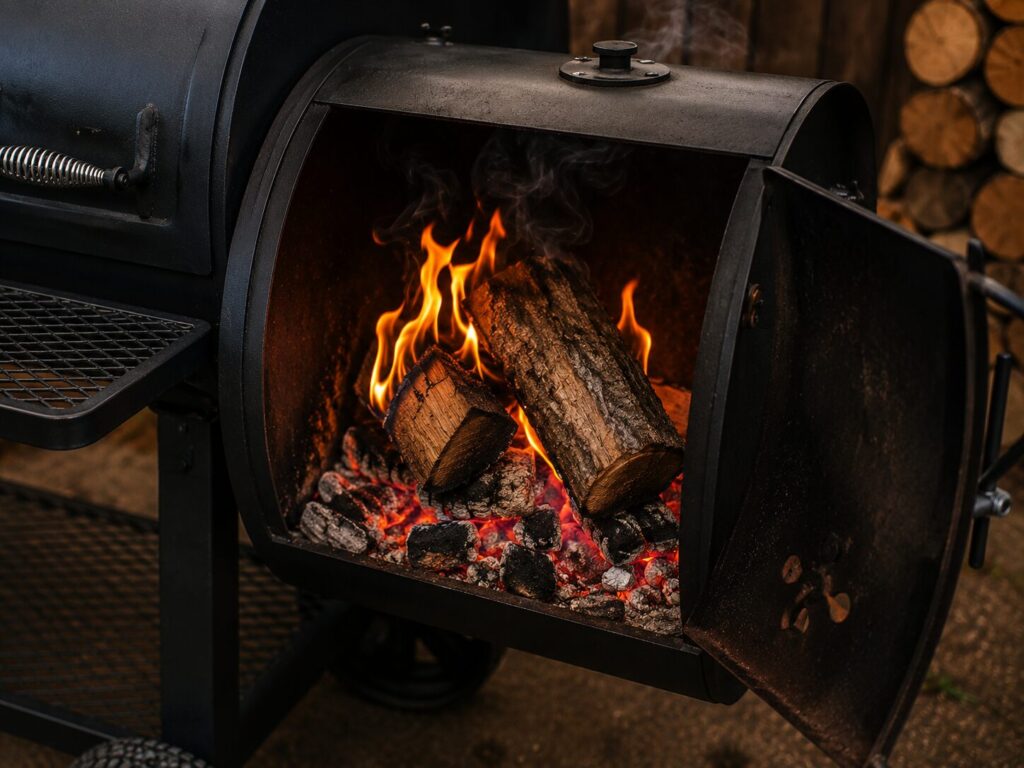
- Use the Intake Vent: Opening the intake vent on the firebox increases oxygen to the fire, raising temperature. Closing it reduces airflow and lowers heat.Mastering this balance is key to consistent results see our full guide on how to control heat in an offset smoker for more advanced techniques.”
- Adjust the Chimney Vent: The chimney vent controls how fast smoke and heat exit. Keep it mostly open for good airflow closing it too much can cause bitter creosote buildup on your meat.
- Add Fuel Gradually: Add small amounts of wood every 30–45 minutes rather than overloading the firebox. Large fuel dumps cause temperature spikes.
- Monitor with Two Thermometers: Use one thermometer at grate level in the cooking chamber and a separate digital probe thermometer inserted into the thickest part of your meat for accurate readings.
- The Minion Method: For longer cooks, surround unlit charcoal with lit coals. The lit coals gradually ignite the unlit ones, providing steady heat for 6–10 hours with minimal management.
Advanced Offset Smoker Techniques for Better BBQ
The Texas Crutch (Foil Wrapping)
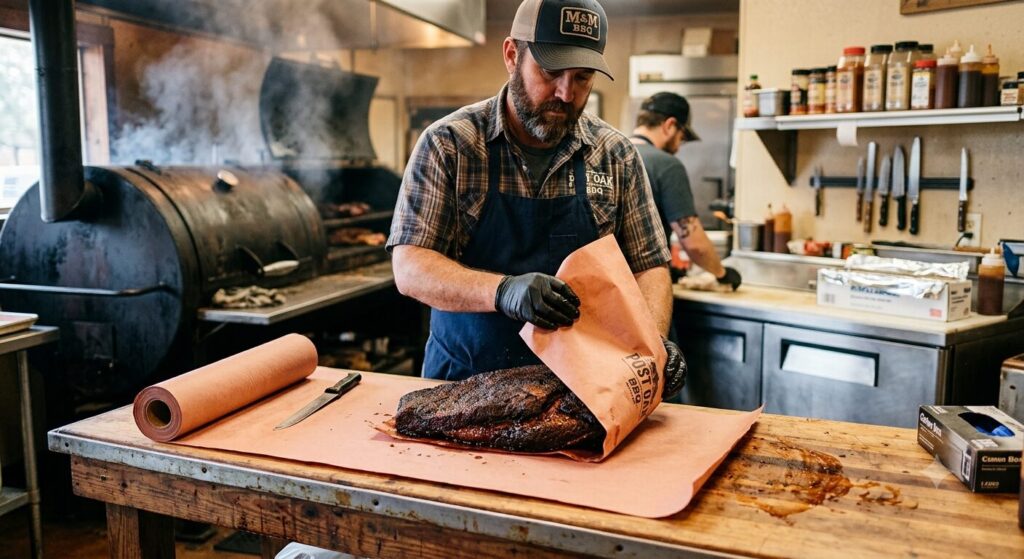
After the first 3–4 hours of smoking, when your meat has developed a good bark (outer crust), wrap it tightly in aluminum foil or butcher paper. This technique, called the Texas Crutch, pushes through the ‘stall’ (when meat temperature plateaus around 160°F) and retains moisture, producing incredibly tender results.
Reverse Sear
For thick steaks and chops, use your offset smoker for a reverse sear: cook the meat low and slow in the smoker to your desired internal temperature, then move it directly over the firebox for a quick, high-heat sear to develop a flavorful, caramelized crust.
Brining and Dry Rubs
Maximize flavor and moisture retention by either wet brining (soaking meat in a salt-water solution) or applying a dry rub (a blend of salt, sugar, and spices) several hours or overnight before smoking. Both methods help meat absorb flavor and stay juicy through the long smoking process.
Spritzing
During long cooks, spritz the meat every hour with apple juice, apple cider vinegar, or water. This keeps the surface moist, helps smoke adhere, and adds a subtle layer of flavor.
Common Offset Smoker Mistakes to Avoid
- Opening the Lid Too Often: Every time you open the cooking chamber lid, you lose heat and smoke, extending your cook time. Trust the process and resist peeking.
- Using Green or Wet Wood: Unseasoned wood produces thick, acrid white smoke that leaves a bitter, sooty taste on food. Always use properly dried hardwood.
- Over-Smoking: More smoke doesn’t always mean better flavor. Thin, blue smoke is ideal. Thick, billowing white smoke is a sign of incomplete combustion and can make food taste bitter.
- Ignoring Temperature Spikes: Large fuel additions cause temperature spikes. Add small amounts of wood consistently rather than dumping in large loads.
- Not Resting the Meat: After smoking, always rest your meat (tented with foil) for at least 30 minutes before slicing. Resting allows juices to redistribute throughout the meat.
- Neglecting Maintenance: Regular cleaning prevents grease fires and extends the life of your smoker.
Offset Smoker Maintenance and Care Tips
A well-maintained offset smoker performs better and lasts decades. Follow these care tips:
- Clean After Every Cook: Remove ash from the firebox ash pan while still warm. Scrape grates clean and wipe down interior surfaces to prevent grease buildup.
- Deep Clean Periodically: Every few months, scrub the entire cooking chamber with a grill brush and remove accumulated grease. Rinse and re-season the interior.
- Prevent Rust: After cleaning, wipe all metal surfaces with a thin coat of cooking oil to protect against moisture and rust. This is especially important for the firebox exterior.
- Check and Replace Seals: Inspect the gaskets and seals around the cooking chamber and firebox door periodically. Replace worn seals with high-temperature gasket tape to maintain proper airflow control.
- Cover When Not in Use: Always use a heavy-duty, weather-resistant cover when your offset smoker is stored outside. This protects against rain, UV damage, and oxidation.
- Touch Up Paint: If your smoker develops rust spots on the exterior, sand them down and apply high-temperature BBQ paint to protect the metal.
Frequently Asked Questions
Offset smokers offer unmatched authenticity and flavor compared to electric or propane smokers. While they require more active management, the depth of flavor achieved with an offset smoker especially when using quality hardwood is difficult to replicate with any other cooker. For serious BBQ enthusiasts, offset smokers are widely considered the best choice.
Yes! You can use your offset smoker for direct-heat grilling by placing food over the firebox grates or by building a fire directly under the cooking chamber grates. This makes offset smokers extremely versatile you can smoke low and slow, then finish with a high-heat sear in the same cooker.
Smoking times vary based on the cut and size of meat. Chicken pieces can take 2–3 hours at 250°F. Pork ribs typically require 5–6 hours. A whole beef brisket or pork shoulder can take 10–16 hours at 225–250°F. The general rule is 1–1.5 hours per pound of meat at 225°F.
While it’s possible to run an offset smoker on wood alone, most pitmasters use a combination of charcoal and wood. Charcoal provides a consistent, long-burning heat base, while wood logs or chunks add the smoke flavor. Starting with a charcoal bed and adding wood is the most reliable method for maintaining steady temperatures.
Common causes of heat loss include air leaks around the cooking chamber door and firebox, using wet or green wood, and not managing airflow properly. Seal gaps with high-temperature gasket tape, use dry seasoned hardwood, and practice adjusting your dampers to maintain consistent fire management.
The best wood depends on what you’re smoking. Hickory and oak are the most popular all-purpose choices for beef and pork. Applewood and cherry are excellent for poultry and lighter meats. Mesquite burns hot and produces a bold, intense smoke great for beef but can overwhelm poultry if used exclusively.
Why an Offset Smoker Belongs in Every BBQ Enthusiast’s Backyard
Offset smokers represent the pinnacle of backyard BBQ combining artistry, patience, and skill to produce some of the most flavorful, tender, and satisfying food you’ll ever taste. From the moment you fire up the firebox and smell that first wave of wood smoke, you’ll understand why pitmasters and BBQ lovers around the world are so passionate about offset smokers.
Whether you’re cooking your first rack of ribs or perfecting your competition brisket, the journey with an offset smoker is as rewarding as the delicious results. Master your temperature control, experiment with different wood varieties, practice your fire management skills, and above all enjoy the process.
Fire up your offset smoker, gather your loved ones, and start creating unforgettable BBQ memories that will have everyone coming back for seconds.